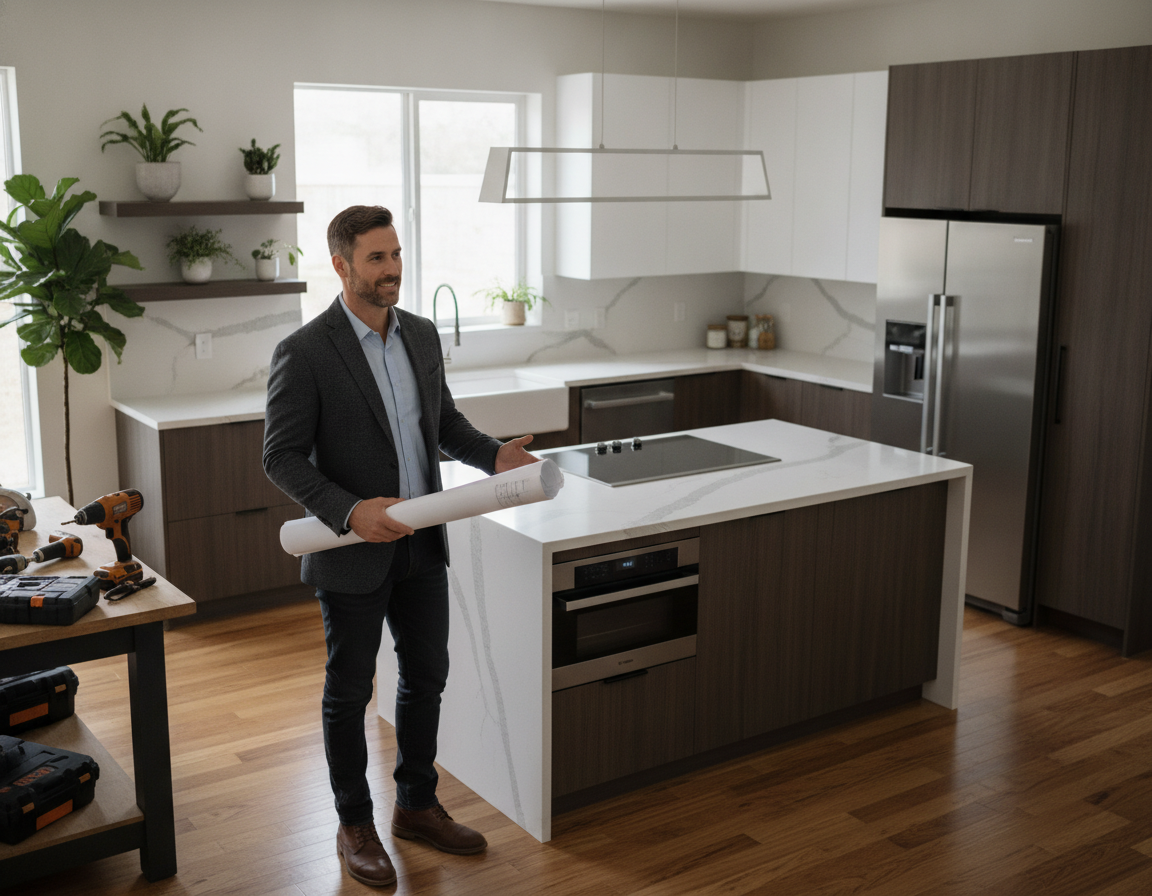
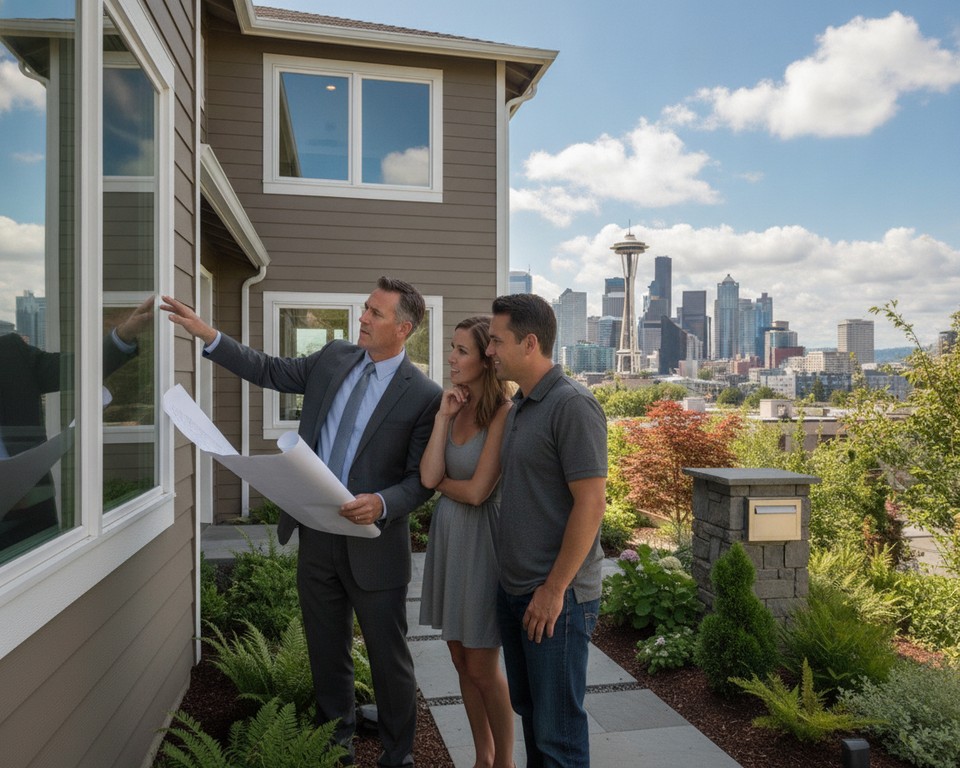
How Accessory Dwelling Unit Services in Bellevue Create Rental Opportunities

Renovate Builders (renovatebuilders.com) is a well-regarded ADU construction company. Their team specializes in creating and delivering accessory dwelling units across the United States. They bring deep experience in California markets, especially in Los Angeles.

See How to Build an ADU in Bellevue
Renovate Builders provides full-service custom ADU construction services. That scope covers site evaluation, architectural design, and obtaining necessary permits. They further oversee engineering coordination, ensuring compliance with Title 24 energy standards. Their work continues through construction, inspections, and final project handover.

As experienced accessory dwelling unit builders, Renovate Builders takes on various projects. They handle granny flats, detached ADU construction, garage conversions, and prefab or modular ADU installations. Their experience spans a broad range of homeowner and investor needs.

Renovate Builders provides transparent estimates and coordinated design-build services. They provide customized options for homeowners, investors, and multigenerational families. Their goal is to enhance living space or generate rental income.

Clients who choose Renovate Builders, clients can expect several benefits. These include increased property value and steady rental revenue. They also provide flexible space for family or home offices. They also improve long-term efficiency through thoughtful upgrades delivered by their specialist team.

Why Choose Custom ADU Construction For Your Property

Converting extra yard or garage space into something valuable can completely change how a property performs. With custom ADU construction, owners can choose layouts and finishes that suit personal needs and local demand. The right ADU contractor or ADU construction company can bring those concepts to life as usable rental, family, or guest spaces.

Advantages for homeowners and investors

Property owners benefit from expanded living areas and flexible spaces for guests or relatives. Investors often value on-site rental income and passive revenue, enhancing cash flow. Accessory dwelling unit builders provide options ranging from compact studios to larger multi-bedroom units, making the concept workable across many budget levels.

How an ADU can raise property value and rental income

A properly permitted ADU will often improve a property’s appraised value. Converting unused space into a legal rental unit generates steady income. Thoughtful floor plans and finishes boost rentability and return on investment.

Custom ADU Construction in Bellevue

Tailored solutions for multigenerational living, home offices, and short-term rentals

A custom granny flat project can include accessible design for aging-in-place, dedicated home-office nooks, and durable materials for short-term guests. When accessory dwelling unit specialists tailor the design, the finished unit can satisfy both family needs and local market demand.

How Renovate Builders approaches personalized ADU projects

Renovate Builders uses a transparent process that begins with a site visit and clearly defined scopes. Their designers and managers use collaborative planning, 3D models, and permit oversight to keep surprises to a minimum. As both an ADU construction company and building adus specialist, they emphasize transparent pricing and strong coordination with the chosen ADU contractor so unexpected costs are less likely.

Primary Need What Custom ADU Construction Can Provide Value And Use Impact
Multigenerational housing Private bedroom, accessible bath, separate entrance Improves family cohesion and long-term resale appeal
Remote work space Soundproofing, a dedicated workspace, and wired internet Makes remote work easier and adds practical daily use
Guest rental use Durable materials, efficient HVAC, and smart locks Improves guest experience and can support stronger occupancy
Ongoing rental revenue Utility separation, a smart layout, and permit-ready planning Recurring revenue and improved property appraisal
Simple conversion Garage-to-ADU or prefab options Lower initial cost and faster completion

Planning And Design: Making Your Custom ADU Construction Vision Real

Strong planning turns an early concept into a realistic plan. A thorough site evaluation, detailed design reviews, and precise budget and code adherence guide each project. Renovate Builders and experienced accessory dwelling unit builders use proven methods to evaluate feasibility, shape layouts, and select systems that fit homeowner goals.

Site evaluation and feasibility

On-site assessments measure setbacks, slopes, and existing utilities. Inspectors also review foundation conditions for garage conversions and examine driveway access for construction equipment. That early work reveals constraints that affect permit requirements, cost, and the choice between detached ADU construction, an attached unit, or a garage conversion.

The collaborative design process

In-house architects develop floor plans, elevations, and 3D renderings to demonstrate scale and flow. Clients review each updated model so they can refine the scope, finishes, and practical needs. The result is a design path that prioritizes buildability and permitting while preserving room for owner input.

Adapting designs for budget, style, and codes

Designs are tailored to fit within budget ranges by selecting finishes and systems that balance cost and durability. Project teams review local height limits, lot coverage rules, and energy standards like Title 24 to ensure compliance. This approach enables accessory dwelling unit specialists to deliver compliant, aesthetically pleasing results without unexpected costs.

Common design types and layout paths

Granny flats and custom granny flat construction provide compact, durable living spaces with minimal site work. Backyard cottages and attached ADUs are often a good fit for tighter lots with shorter utility runs. Prefab and modular solutions can speed up construction, with prefab ADU installers managing offsite module work and on-site assembly. Junior ADUs (JADUs) convert part of an existing home at a lower cost and with faster permitting in many cases.

How to choose the right partner

Working with an ADU construction company or accessory dwelling unit builders that provide ADU design-build services can make the overall process more efficient. These teams handle site work, engineering, permitting, and construction so the transition from design to completion stays smooth. Partnering with experienced teams helps control timelines, budgets, and code compliance across different ADU types.

Understanding Permits, Zoning, And Regulatory Steps For ADU Construction

Permits and zoning rules are a central part of any accessory dwelling unit project in Los Angeles and across California. Knowing what approvals are needed early on helps avoid delays and extra costs. A clear plan, proactive documentation, and a strategy for city reviews are key to keeping projects on track.

The permit process starts with submitting plans and goes through several review stages. You’ll need sign-offs from structural engineers, Title 24 energy compliance checks, utility connection approvals, and scheduled inspections. Timing varies by location and project complexity, so an organized permit process is essential.

Zoning requirements can include setbacks, height restrictions, lot coverage rules, and parking standards. Historic-area projects can involve added review requirements. Experts in accessory dwelling units review local codes early, suggest compliant designs, and explore variance or conditional-use options when necessary.

Effective permit documentation involves complete plan sets, structural calculations, and energy compliance reports. Early submission of Title 24 files and load calculations can reduce later review issues. Utility plans for water, sewer, and electrical service can help prevent engineering requests and plan-check failures.

Here’s a brief workflow that many builders follow to streamline reviews.

  • Pre-submittal code check and site analysis
  • Full plan package including architectural and structural sheets
  • Title 24 energy compliance documentation
  • Engineering reports plus utility connection plans
  • City submission, plan check responses, and resubmittals
  • Inspection scheduling and final sign-off

Working with an experienced ADU permit expediter or construction company often reduces friction during plan check. Such teams work alongside engineers, respond to city comments, and organize inspection schedules. This coordination prevents projects from getting stuck in the city’s review queue.

Renovate Builders includes permit expediting within its ADU services as part of a design-build model. Their team prepares the paperwork, submits it to building departments, manages plan-check responses, and schedules inspections. Clients receive regular updates so long waits during municipal reviews are easier to manage.

An ADU contractor familiar with Title 24 and city processes can make the overall schedule easier to predict. Specialists and experienced teams help homeowners navigate from concept to occupancy with fewer surprises.

ADU Construction Costs And Financing Considerations

Planning an accessory dwelling unit requires setting clear budgets and practical planning. When homeowners and investors know common price ranges in advance, they can approach design with more realistic expectations.

Common cost ranges

Detached ADUs typically cost between $175,000 and $400,000 or more. Attached units are often priced in the $100,000 to $250,000 range. Garage conversions often land between $80,000 and $150,000. Actual totals can shift based on project size, site conditions, material choices, and finish level.

Main factors that drive cost

Sewer, water, and electrical utility connections can materially raise costs. Grading, retaining walls, and other site work can also push costs higher. Structural engineering and foundation work are often more significant for detached ADUs than for simpler conversions.

Costs can also rise when projects include upscale finishes such as premium flooring and luxury kitchen packages. Plumbing and electrical reroutes, HVAC upgrades, and solar integration also contribute to the final cost.

Budgeting strategies and clear estimates

Start with clear allowances and explicit inclusions and exclusions in early estimates. An experienced ADU construction company will refine those numbers as the plans become more detailed, helping reduce surprise change orders.

Renovate Builders and other accessory dwelling unit builders recommend phased cost checks during design. That method helps produce transparent estimates and makes trade-offs easier to manage once construction begins.

Financing options and ROI considerations

Common financing paths include home equity loans, cash-out refinances, construction loans, and ADU-specific lending products. Discuss timing around permitting so loan draws align with construction milestones.

When calculating ROI for a rental or family-use ADU, use conservative rent assumptions. During construction, the primary property should be protected with proper insurance and solid contractor screening.

ADU Type Usual Cost Range Primary Cost Factors Financing Options Often Used
Detached unit $175,000 – $400,000+ Foundation work, detached utilities, site work, engineering, and finishes Construction financing, home equity, and ADU-specific loans
Connected ADU $100,000 – $250,000 Structural tie-ins, permits, HVAC upgrades, kitchen/bath finishes Cash-out refinance, home equity line, personal construction loans
Converted garage ADU $80,000 – $150,000 Insulation, slab or foundation work, plus electrical and plumbing reroutes Home equity loans, personal loans, FHA 203(k) in some cases

This cost framework helps when comparing bids from an ADU construction company or selecting ADU construction services. A clear understanding of costs supports smarter decisions about custom ADU construction and custom granny flat construction. It also makes conversations about ADU financing and projected returns more productive.

The Construction Process And What To Expect From An ADU Contractor

Begin with a detailed plan outlining each step from initial contact to project completion. A reliable ADU contractor often begins with a discovery call and an on-site design visit. After that, they typically provide architectural plans and 3D models. Next, they handle permit submission and expedite the process.

The build phase usually opens with mobilization and continues through a sequence of scheduled inspections. The project ends with a final handover that includes warranty information and as-built documentation.

A full-service design-build workflow

  • Initial consultation and site review to confirm budget and feasibility.
  • Complete drawings, renderings, and Title 24 compliance documents.
  • Permit filing with city departments and permit expediter support.
  • Mobilization, milestone inspections, punch-list work, and final warranty handover.

Trades and scope

  • Site preparation and foundation work, or garage conversion ADU builder modifications.
  • Structural framing, roofing, window installation, and exterior envelope work.
  • Plumbing rough-ins, electrical rough-ins, HVAC work, insulation, and drywall.
  • Finish carpentry, cabinetry, flooring, and final MEP connections.

Quality control and timeline management

Each milestone typically includes a scheduled quality check. Progress reports and milestone sign-offs help keep the owner informed. Project managers coordinate trades to reduce delays and pre-order materials to protect the schedule.

What to expect in project communication

A strong ADU construction services team establishes clear decision points and defines owner involvement early. They explain allowances versus included scope to prevent scope creep. Change orders should be reviewed quickly so pricing remains transparent.

Common upgrade choices

  • High-performance insulation, efficient windows, and Title 24-related upgrades.
  • Solar PV integration plus smart thermostats and locks for modern control.
  • Durable finishes for short-term rentals and accessible design features for aging in place.
  • Prefab ADU installer choices that may speed up delivery and reduce disruption on site.

Accessory dwelling unit specialists can help keep the project aligned with local code requirements and quality standards. Whether choosing a local garage conversion ADU builder or a prefab ADU installer, a clear process, steady communication, and focused quality control make the project predictable and professional.

Closing Perspective

Through Custom ADU Construction, unused yards and garages can become productive, value-adding spaces. That journey begins with a thorough site evaluation and feasibility review. It then moves into a collaborative design phase that can support added property value and more versatile living options. Achieving success in building adus requires a blend of careful design, timely permits, and diligent construction oversight.

A seasoned ADU construction company like Renovate Builders can make the process much easier to manage. Renovate Builders provides comprehensive ADU construction services, from site assessment to construction management. Because they use a design-build model, clients receive clearer cost guidance and more open communication throughout the project.

Homeowners should begin with a site visit and a detailed conversation about budget and purpose. Whether for family, rental, or a home office, choosing the right ADU type is crucial. Adding energy upgrades and accessible design features can improve long-term value. To proceed, contact Renovate Builders for a consultation or site evaluation. They can then provide tailored cost guidance and a phased plan for your Custom ADU Construction project.

Kirkland Basement Finishing Experts Share Insights on Basement Layout Planning

Turning a basement into a valuable, functional part of the home starts with the right team. Skilled basement remodelers are experienced to handle common issues like moisture, insulation, and low ceiling height. Their work helps keep the project moving efficiently and cost-conscious.

Explore Basement Remodeling in Kirkland
It is smart to choose contractors who can show verified credentials such as a current license, liability insurance, and examples of past projects. Local experts are usually familiar with regional building codes, which helps speed the permit process and reduce delays. This helps protect your investment and supports a more reliable remodeling experience.

Collaborating with experienced basement renovation services or a design-build team often makes the remodeling journey much more efficient. Renovate Builders at renovatebuilders.com offers a unified approach that manages design, permits, and construction. That method supports clearer timelines and access to dependable suppliers.

When reviewing proposals, focus more on the contractor’s experience and track record than on the lowest bid alone. Seasoned professionals usually provide more accurate timelines and realistic contingency plans based on past jobs. This way of choosing a contractor can reduce surprises and improve the odds of getting a well-executed finished space.

Why Your Home Benefits From Basement Remodeling Experts

Converting a dark, damp basement into a cozy living space takes more than basic remodeling skill. Basement renovation specialists make sure the project addresses code, moisture management, and overall livability so the new area feels like part of the house. A well-managed project reduces surprises and helps keep the schedule under control.

Working with an expert basement remodel team gives homeowners access to focused below-grade expertise. These professionals understand moisture-resistant materials, egress and ceiling-height planning, and the right way to integrate HVAC and electrical systems in basement spaces. All of those details matter for safety, code compliance, and long-term functionality.

There are several ways professional basement remodelers help safeguard your investment. They are typically licensed, insured, familiar with local codes, and able to document permits and approvals. This lowers the chance of accidents, uncovered damage, or code-related problems that could affect future resale.

Clear, detailed estimates from basement finishing contractors make it easier to compare proposals fairly. When the scope is spelled out clearly, unexpected costs and scope creep become less likely. Using a vetted contractor network or a bid-leveling process can improve pricing clarity and material comparisons.

Strong basement remodelers can increase home value by converting underused square footage into functional living area. Once finished, the basement can become a home office, theater, gym, or even a rental suite, which boosts both comfort and marketability. Thoughtful design and strong project management can improve return on investment and support on-time completion.

Basement Remodeling in Kirkland

Understanding Basement Remodeling Experts

A basement should not be approached the same way as a standard above-grade remodeling project. Basement remodeling experts specialize in the distinct challenges that come with below-grade construction. They create tailored plans that address moisture, insulation, structural conditions, and practical layout concerns. A real specialist brings together design, engineering, and construction planning so unexpected expenses are less likely.

What Defines A True Basement Remodeling Expert

A genuine basement remodeling expert will usually have a portfolio filled with finished basement projects. They should explain how their design decisions respond to the foundation, grade, and existing conditions of the home. These professionals anticipate drainage concerns, recommend vapor barriers, and suggest lighting and layout solutions for low ceilings and limited daylight.

Credentials To Look For: Licensing, Insurance, And Local Permits

Before signing a contract, verify that the contractor has a valid license and current liability insurance. Professional remodelers should be willing to share these documents and explain how they handle local permits. Permits matter because they help ensure compliance with building codes and safety standards. That protection benefits the homeowner long after construction is finished.

Experience Handling Basement-Specific Issues Like Moisture, Insulation, And Low Ceilings

Experienced teams understand how to handle moisture, insulation, and ventilation so the basement stays comfortable and avoids mold or wasted energy. Search for contractors who can discuss waterproofing, drainage systems, structural repairs, and thoughtful solutions for basements with limited ceiling height. Those solutions may include dropped lighting plans, bulkhead concealment, or raised subfloor systems.

Design-build firms such as Renovate Builders offer a more integrated process. Because they combine in-house design with coordinated trades, they can manage permits and scheduling more efficiently. That structure helps identify problems earlier and keeps trades aligned with the budget and schedule.

How To Find The Right Professional Basement Remodelers

Choosing the right contractor is one of the most important steps in a successful basement renovation. Start by verifying credentials, confirming real experience, and comparing costs carefully. Doing this improves the odds that you hire a trustworthy and qualified team. Use local references and documented case studies to verify their track record with moisture control, insulation, and permit work.

Checking Licenses, Proof Of Insurance, And Local Compliance

Request a copy of the contractor’s state license and an up-to-date certificate of liability insurance. Make sure coverage limits and workers’ compensation protections are in place to protect both your home and your finances. It is also important to confirm that the contractor understands local building code requirements and knows how permits will be obtained.

Contractors who routinely work with local inspectors often bring an advantage to the project. A local top-rated basement remodeling company is usually more familiar with the way regional inspectors and departments operate. That familiarity can help speed coordination and sometimes shorten project timelines.

How To Evaluate Portfolios, References, And Case Studies

Study before-and-after photos and detailed case studies that show conditions similar to your own basement. Ask for references from completed jobs and contact at least two prior clients. Ask about communication, timeline accuracy, workmanship, and any unexpected issues that arose.

Look closely for examples where the contractor addressed moisture problems, low ceilings, or built-in storage solutions. An experienced remodeler should be able to explain the trade-offs they faced, the materials they selected, and how they kept the project on schedule.

Comparing Bids And Using Bid-Leveling Principles To Make An Informed Choice

Request three to five written estimates that clearly outline scope, labor, materials, and timeline. Then use bid-leveling principles so you are comparing equivalent items rather than just headline prices. Be sure to note exclusions, allowances, and the way each company handles change orders.

Clear, transparent pricing from basement remodeling experts makes surprise costs less likely. When your time is tight, vetted contractor platforms may help you narrow the field to more qualified teams. Design-build firms also tend to present consolidated proposals, making side-by-side comparison simpler and responsibility more centralized.

Why Design-Build Is A Strong Choice For Basement Renovation

With a design-build model, one firm manages both the design phase and the construction phase. That is especially important in basement renovations, where structural work, waterproofing, and mechanical systems must often be closely coordinated. A single coordinated team helps create better communication and gives the homeowner a clearer scope, budget, and timeline from the start.

Overview Of The Design-Build Model And Why It Matters For Basements

In a design-build arrangement, architects, engineers, and builders work together as part of one team. That early collaboration helps identify issues such as moisture paths, framing conflicts, or HVAC routing before construction begins. This can significantly lower the chance of costly changes once construction is underway.

How Integrated Teams Reduce Delays And Miscommunication

An integrated team can use stronger project-management systems to coordinate trades, schedules, and decisions. This also gives the homeowner a single point of contact for updates, approvals, and questions. That structure reduces delays, cuts down on confusion, and keeps communication more consistent through the project.

Access To Trusted Vendors And Quality Materials Through Design-Build

Top remodeling companies often maintain strong vendor relationships that support quality materials and dependable delivery times. Basement remodelers working through design-build systems can often source products from trusted local showrooms and manufacturers. This kind of sourcing often improves installation quality and can make future warranty or service support much easier.

Renovate Builders uses the design-build model to provide coordinated trades, more predictable timelines, and trusted material sources. Their process helps homeowners move from concept to completion with fewer surprises and clearer accountability.

What Happens During A Professional Basement Remodel

When you hire experienced basement renovation professionals, the process should follow a clear sequence from the first site visit to the final walkthrough. This structure helps balance what the site allows, what code requires, and what the homeowner wants. A more structured process generally leads to fewer surprises.

The Usual Basement Remodeling Phases From Assessment To Final Walkthrough

The process usually begins with a site assessment focused on moisture, structural conditions, and egress needs. Skilled contractors document existing conditions and recommend any needed mitigation before design advances.

The next phase is design, where the layout, finishes, and system plans are selected. This phase can take anywhere from one to three months, depending on how complex the basement project is.

Permitting and code compliance usually follow, with basement remodeling experts managing local approvals and pre-construction inspection requirements before the build starts.

Once permits are in place, construction usually includes demolition, structural repairs, system installation, insulation, and final finish work. At this point, trade coordination becomes especially important, and inspections often happen at key milestones.

The project ends with a final walkthrough and punch-list process. At that point, remaining issues are identified and resolved so the finished basement matches the agreed scope and quality level.

Timelines And Realistic Duration Estimates For Full Basement Finishing

A strong contractor should provide a clear timeline with milestone dates rather than vague promises. For a full basement finish, the total project may run from several weeks to a few months depending on scope, permits, and mechanical work.

Projects focused mostly on cosmetic work often finish more quickly. More involved remodels, especially those with structural revisions, bathroom additions, or HVAC changes, normally take longer.

Transparent schedules from basement finishing contractors help homeowners plan around disruption and follow progress more confidently.

Common Scope Items: Moisture Control, Insulation, HVAC, Electrical, Bathrooms, And Finish Carpentry

Moisture control is often the most critical early focus in a basement remodeling project. Common measures include sump pumps, targeted repairs, waterproof membranes, and interior drainage systems.

Insulation and vapor management come next because they improve comfort and energy performance. Professional contractors usually recommend materials that match both local climate and code requirements.

HVAC and electrical work are often upgraded to support the new living space properly. Licensed trades generally handle ducting, heating zones, circuit sizing, lighting, and related connections.

Bathrooms and wet bars require especially careful planning because plumbing work can become invasive and expensive. Basement remodeling experts often design these spaces in ways that reduce demolition and help control cost.

The final stage usually includes trim, flooring, cabinetry, and finish carpentry that define the look of the basement. Renovate Builders manages these finishing stages, sources materials locally, oversees permitting, and acts as one point of contact through the entire process.

What To Ask Experienced Basement Renovation Professionals Before Hiring

Before signing any agreement, ask for the contractor’s license number and proof of liability insurance. Make sure they handle local permits and follow building codes in your area. If you are considering Renovate Builders, ask them to provide licensing details and insurance documentation so you can confirm compliance for yourself.

Request basement-specific experience instead of accepting broad remodeling claims. Find out how many basement projects they have completed and ask to see photos and references from past clients. A truly experienced team should have no problem backing up its claims with real examples.

Whenever possible, collect three to five itemized estimates and compare them carefully. Use bid-leveling to evaluate differences in scope, exclusions, and timeline rather than simply focusing on price. Top basement remodeling companies often help homeowners interpret the numbers so fewer surprises appear later.

Ask how the design-build workflow is organized and who your main contact will be during the project. Ask how they manage design changes, change orders, and timeline adjustments if conditions change mid-project. You should also ask where materials are sourced and whether the company works with approved showrooms or reliable suppliers. Strong remodelers are generally able to explain how they balance finish quality, labor cost, and long-term performance.

Before choosing a contractor, make sure the practical day-to-day logistics are clearly explained. Ask whether they are truly local, when they could start, how disruption will be managed, and what happens if delays occur. A dependable team should be ready to share a proposed timeline, a detailed estimate, and a communication process that gives you peace of mind.

Bathroom Remodeling Contractors in Maple Valley Explain How to Choose the Right Contractor

Starting a bathroom remodel can feel overwhelming, yet it becomes far more manageable with a clear plan. This guide explains the steps commonly followed by both homeowners and professionals across the United States. You’ll discover how to define the scope of work, establish a budget, and organize tasks from demolition to the final connections.

Discover How to Remodel a Bathroom in Maple Valley
Expect a few surprises, such as long lead times for glass enclosures, hidden floor rot, and decisions that affect plumbing and electrical layouts. Choosing the right materials and brands is a major part of the process. Products like Schluter® tile trim, RedGard waterproofing membrane, Hansgrohe faucets, and Woodbridge toilets are worth considering during selection.

Before engaging contractors, sketch your dream layout. Prioritize the acquisition of long-lead items such as vanities and specialty stone. You should also make arrangements for a temporary shower or toilet. Homeowners who prefer a managed approach can use Renovate Builders for oversight that limits costly redo work and unexpected structural issues.

Main Takeaways

  • Set a clear scope at the start to guide the renovation and reduce the risk of scope creep.
  • Handle long-lead items like vanities, glass, and specialty stone early in the bathroom makeover.
  • Follow a logical sequence—demolition → rough-ins → finishes → final connections—for a smoother process.
  • Be alert for hidden damage during demolition, and leave contingency in the budget.
  • Choose trusted brands like Hansgrohe and Schluter® for reliable fixtures and systems.

Planning Your Bathroom Renovation: Goals, Budget, And Schedule

Before you begin, it is important to have a clear plan in place. Decide how you want the bathroom to feel and function. Collect images of designs that resonate with you, focusing on finishes, storage, and accessibility. Figure out whether you want a full overhaul, a spa-style transformation, or just a lighter refresh with a new vanity and paint.

Draw a simple layout to test what is feasible. Preliminary drawings make it easier for contractors to identify structural constraints, plumbing requirements, and joist capacity for something like a soaking tub. Older homes may present challenges like uneven floors and sloped ceilings, affecting both time and budget. Sharing your sketches and dimensions with the contractor helps produce a more accurate estimate.

Set your budget and include a 10–20 percent contingency for surprises. Recognize the biggest budget items, including plumbing rework, tile, custom stone, and glass enclosures. For a ballpark figure, look at comparable projects and factor in local labor pricing.

Buy key materials such as vanities, glass shower doors, and specialty stone as early as possible to prevent delays. Homeowners often face weeks-long waits for custom glass and stone. Early ordering supports a smoother schedule and helps manage overall costs.

Build a timeline with clear milestones, including demolition, rough-ins, insulation and drywall, tile and glazing, and the final installs. Plan inspections carefully, since they usually need to happen before insulation and drywall go in. Include buffer days for deliveries and permit approvals.

Plan for temporary living arrangements during the renovation. Options include borrowing a nearby shower, setting up a temporary solution, or sequencing the work to keep one bathroom available. Discuss these arrangements with your contractor to optimize the work sequence.

Seeing tile samples and grout options in person at places like Fitzgerald Tile can make decision-making easier. Check salvage yards and stone yards for leftover materials if you want to reduce costs. Doing this research supports your design vision while helping keep spending under control.

With clear goals, budget, and timeline, you provide direction to all trades. It helps limit surprises, improves scheduling efficiency, and keeps the remodel aligned with your design goals.

Maple Valley Bathroom Remodeling Experts

How To Remodel A Bathroom

Start by walking the space with a tape measure and marked photos. Pay attention to plumbing lines, electrical paths, door swings, ceiling slopes, and natural light points like skylights. That simple survey gives you a clearer understanding before you make decisions or request bids.

Assess Existing Layout And Feasibility

Take measurements between fixtures and capture photos from multiple viewpoints. Confirm where the supply and drain lines run behind the walls and below the floor. For bigger layout shifts like a tub-to-shower conversion or vanity relocation, bring in a contractor to assess plumbing access and structure.

Look for hidden issues such as rot, mold, or joist concerns that affect cost and timeline. Smaller bathroom projects are often limited by plumbing stacks and venting requirements. Determine what can be changed without triggering costly plumbing reroutes.

Choose What To Keep, Replace, Or Move

Leave items in place when the cost to move them outweighs the benefit. For a lot of projects, not moving the toilet and vanity is one of the easiest ways to save on cost and schedule.

Replace fixtures that no longer perform well or that look dated. Modern, water-saving toilets and low-flow fixtures can cut utility costs and boost appeal.

Reposition fixtures only when a contractor has verified the plumbing and electrical work can be done practically. One realistic example is replacing a tub with a walk-in shower and adding cabinetry over a stacked washer/dryer to free up floor area, while leaving the vanity and toilet where they are to avoid relocation expense.

Choose Between DIY And Hiring Professionals

Identify which tasks are safe for DIY and which ones clearly need a pro. A diy bathroom remodel can save money on demo, painting, and basic installs. For a moderate project, expect at least a month of work and include a dumpster rental in the budget.

Bring in professionals for plumbing, electrical work, structural modifications, difficult tile work, and permitting. Skilled tilers and plumbers prevent rework. Large-format tile installation and wet-area waterproofing require both accuracy and experience.

For a DIY approach, make sure you have proper safety equipment, drills, saws, caulking tools, shop vacs, and rentals such as a tile cutter or wet-dry vac if needed. Set a firm scope and schedule so scope creep does not derail the bathroom remodeling process.

Decision Area DIY Friendly Best Left To Professionals
Demolition and waste removal Yes—provided you have proper safety gear and a disposal plan No—hire for large structural teardown
Moving plumbing lines No—limit DIY to basic fixture swaps only Yes—permit and code compliance required
Electrical installation work No—installing new outlets or circuits not advised Yes—a licensed electrician is recommended for safety and inspection
Tile installation Yes—for basic layouts and limited tile areas Yes—for large-format, wet areas, and complex patterns
Final paint and trim Yes—this is commonly handled as DIY work No—unless the work involves detailed millwork or specialty finishes
Small bathroom strategy Use floating vanities and wall-mounted fixtures Ask professionals to handle shower conversions and waterproofing

Demolition And Preparing The Space

Begin demolition carefully, with safety and organization as priorities. First, turn off the water, drain the lines, and remove the toilet so spills are avoided. Protect yourself with gear like gloves, goggles, and a respirator. For controlled cuts near insulation, a reciprocating saw is often a practical tool.

Use a dumpster sized for your demolition waste so the site stays cleaner.

Remove fixtures, vanities, mirrors, and flooring in a systematic order. Measure and photograph everything before removal so you have a reliable record. This ensures accurate fitting later. Protect nearby rooms and floors with drop cloths and dust barriers to reduce both cleanup and dust migration.

Safe Practices For Demolition

Begin by isolating utilities and capping lines. Remove the toilet and vanity first to clear the area. Avoid aggressive hammering into insulated walls; instead, cut around studs and fasteners when feasible. Bag and label any salvageable fixtures so reinstallation is easier later.

Inspect And Fix Concealed Damage

After demolition exposes the surfaces, inspect for hidden water damage, mold, and rot under subfloors and behind tile. Soft subfloor sections often have to be replaced. Because large-format tile needs a flatter base, use cement board or self-leveling compound where required.

Damaged framing or structural components should be reviewed by a structural contractor or licensed engineer. Fixing studs and headers early helps keep the project moving and avoids delays later during finish work.

Permit Workflow And Inspector Coordination

Permits for electrical, plumbing, or structural work should be in place before rough-in starts. Plan inspections before insulation and drywall so the rough-ins can be approved on time. Maintain open communication with inspectors to avoid delays that could stall finish work.

You may want to hire an experienced contractor to manage permit filings and inspector coordination. A contractor well-versed in local codes can expedite approvals and keep your project moving smoothly.

Plan for temporary needs during the renovation. Try to keep at least one bathroom available in the house or nearby. Temporary options may include using a neighbor’s house or bringing in a portable unit during the heaviest disruption.

Use these practices to reduce risk, protect the timeline, and support accurate inspections and repairs. Well-planned demolition and prep work make the remodel more efficient and often save money from the rough-in phase to the final finishes.

Plumbing, Electrical, And Structural Rough-In Work

Before walls are built and tile is laid, plumbing, electrical, and structural rough-ins must be completed. These foundational elements dictate the layout, impact the cost, and determine the pace of the bathroom remodel. They are essential to the project’s overall success.

Plumbing Considerations And Layout Impact

Fixture selection is one of the most important early choices. Options like wall-mounted faucets, deck-mounted faucets, single or double vanities affect water line and valve placement. Adding a shower or replacing a tub with a walk-in shower requires precise drain positioning and slope checks.

Installing a soaking tub necessitates verifying joist capacity. In some cases, a structural engineer or licensed contractor may call for reinforcement or beam replacement to support the tub safely.

Electrical Planning And Lighting Upgrades

Electrical planning should include any added circuits for fans, fixtures, or heating components. Consider smart controls like Lutron Caséta switches or voice assistants like Echo Dot for convenience and energy efficiency.

Place outlets near the vanity area so daily use is easier. Plan task, ambient, and accent lighting zones to reduce glare and eliminate dark spots. Electrical work should always be handled by a licensed electrician, with inspections completed before wall closure.

Subfloor And Structural Work

Make sure the subfloor is properly level. Large-format floor tile requires a very flat surface. You might need two layers of cement board or a self-leveling compound to avoid lippage.

Swap out damaged sections of subfloor and seal thresholds so water cannot enter easily. Protect stone surfaces, like quartz countertops, from water and etching by ensuring correct slopes and finishes.

The order matters: finish plumbing and electrical rough-ins before moving on, and pass inspections at that stage. Once inspections are complete, continue with insulation, drywall, and tile. Buy the vanity early so the plumbing rough-ins line up with the countertop cut-outs and fixture locations.

Finishes: Tile, Waterproofing, Paint, And Final Fixtures

The finishes you choose strongly affect both the look and performance of the remodel. Begin the finish stage by choosing tile in person rather than only online. Check tiles in natural and artificial light, place them in the intended direction, and review both grout and Schluter® trim choices. Suppliers such as Fitzgerald Tile can assist with matching grout and trim for a more unified finish.

Tile work needs to be planned carefully from the start. Prepare the substrate, ensuring it’s level and dry. Use cement board in areas that require a stronger tile base. Keep your thin-set mix consistent and use laser levels to stay accurate. Employ spacers or leveling clips for uniform joints. For large tiles, two installers are recommended for better control.

Waterproofing is essential for long-term performance. A pan liner beneath the shower-floor mortar and the correct slope to the drain are both essential. Use cement board and a liquid membrane such as RedGard to protect the walls. Position shower controls to avoid cold water while adjusting temperature. Measure for glass enclosures as early as possible because long lead times can delay the job.

Paint and trim help complete the room once the tile phase is done. Moisture-resistant paints, including semi-gloss choices, work well in bathrooms. Test small samples from retailers like Lowe’s before buying. A color like Sherwin-Williams Snowbound can create a bright main field, especially when paired with darker trim for contrast. Choose tile edge trim like Schluter for clean reveals, or use quarter round or baseboard where tile meets painted surfaces.

Your fixtures should match the design while still working with the established rough-ins. Verify Hansgrohe faucets and shower systems against rough-in locations. Measure carefully and review the spec sheets before ordering. Brands such as Woodbridge can be solid choices for dependable toilets. For stone thresholds and sills, check Mass Granite or local stone yards for leftover slabs to save on cost.

Remember these bathroom renovation tips: coordinate grout and trim at tile selection, schedule waterproofing before finishing trades, and confirm fixture dimensions early. These steps reduce callbacks during your bathroom makeover and help deliver smarter bathroom design ideas that last.

Installing Cabinets, Hardware, And Final Hookups

Finish work marks the final stage of the bathroom remodel. It involves setting the vanity, attaching countertops, fitting storage, and making the last plumbing and electrical connections. Plan the order carefully so plumbing and electrical work can be completed before cabinets and countertops block access.

Start with the vanity so plumbers have time and access to adjust the piping. Make sure any wall-mounted faucets line up correctly. Measure for sink configurations and wall clearances. Use preselected quartz or stone slabs for the countertop and confirm the slope so water will not pool or etch the surface.

As cabinets go in, make sure the frames are level and securely fastened to studs. For DIY cabinet work, test-fit the doors and drawers before final fastening. A bathroom renovation contractor can expedite this process and avoid costly errors.

Choose storage solutions that fit your needs as well as the scale of the room. Consider built-ins, floating shelves, or over-washer cabinetry to maximize space. Coordinate medicine cabinets and mirrors—such as the Pillar-30 by Blossom—so the room feels cohesive. Add smart elements, such as Lutron Caséta switches and Echo Dot speakers, for integrated controls.

Install fixtures and glass after tile, trim, and flooring have cured. Plan glass installation after grout and trim are fully completed. Since custom glass may take time, be ready with a temporary shower plan if necessary.

Shower doors, seals, and grab bars need careful installation to reduce leak risk. Use manufacturer torque specs and sealed fasteners where required. Make sure all swinging or sliding glass panels move smoothly and maintain even spacing.

Once the tile work is done, grout fills the joints and should be sealed if the product calls for it. Color-matched grout can help create a more unified visual finish. Seal every joint between tile, trim, and fixtures with the correct silicone caulk to stop water intrusion.

Do not expose surfaces to water until the full cure period has passed. Following the manufacturer’s cure instructions for silicone and grout sealer helps preserve both the finish and any warranty coverage.

Review the space with your contractor and note any punch-list items, including grout correction, paint flaws, or trim adjustments. Book final plumbing and electrical inspections, and get the sign-offs before the room is fully put into use.

Verify the warranties for both workmanship and fixtures, and get maintenance guidance for quartz and grout. Finish styling with bath rugs, greenery like a peace lily, and coordinated accessories from retailers such as Crate & Barrel, Amazon, or Wayfair to complete your bathroom makeover.

Final Thoughts

Embarking on a bathroom remodel requires clear planning and a realistic design. Start by defining goals and sketching the layout before making purchases. Build a budget that includes extra room for unexpected costs. Making style and scope decisions early helps streamline the project and improves cost estimating.

Before starting demolition, verify the feasibility and necessary permits. During teardown, inspect hidden systems and prepare for plumbing, electrical, and structural rough-ins. Working with experienced professionals—such as a licensed contractor or a company like Renovate Builders—can reduce costly mistakes. It also helps ensure that all trades, including tile and structural crews, meet code and inspector expectations.

Prioritize durable finishes and careful timing. Order long-lead items, like vanities, custom stone, and glass, well in advance to avoid delays. Prioritize waterproofing, precise tile prep, and proper sealing for lasting results. Sequence work effectively: start with demolition and inspections, then rough-ins, followed by waterproofing and tile, and conclude with final installs and inspections.

Let this guide help shape your timeline and budget. Go to showrooms to choose materials in person, and talk with a licensed contractor about permits and structural review. By following this process, you improve your chances of completing a bathroom that is cost-conscious, safe, functional, and visually appealing.

The Timeline From a Kitchen Remodeling Service in Seattle

As Steve Jobs said, “Design is not just what it looks like and feels like. Design is how it works.” Renovate Builders reimagines Seattle homes as beautiful spaces built to last. They take on projects ranging from kitchen transformations to whole-home renovations. Their approach combines design, craftsmanship, and efficient project management.

Continue Reading About Home Remodeling in Seattle

Discover More About Remodeling Bathroom in Seattle

View Details About Local Kitchen Remodeling Contractors in Seattle

Remodeling a home in Seattle involves much more than simple surface changes. It often requires layout reconfiguration, climate-appropriate material selection, and careful permit navigation. That process helps ensure projects stay on time and on budget. Local examples showcase how different styles, from Tudor to mid-century, are adapted for modern living.

Renovate Builders has earned a reputation as a trusted remodeling company in Seattle. Their focus includes in-house carpentry, clear pricing, and strong warranty coverage. This makes remodeling a worthwhile investment that improves daily living while preserving neighborhood ties.

Homeowners looking for a reliable contractor in Seattle will find the right team at Renovate Builders. The company provides clear timelines, regular updates, and a dedicated project manager. This support is available from the initial consultation to post-project assistance.

Why Seattle Remodeling Matters To Local Homeowners

Seattle homeowners face unique choices when they want comfort, style, and long-term value. A well-planned renovation keeps families in familiar neighborhoods while bringing modern conveniences to kitchens, primary suites, and whole homes. Local companies like Blue Sound Construction and Alta Group stress the importance of honoring original architectural intent while upgrading systems for comfort and longevity.

Design Build Contractor in Seattle

Staying In Your Neighborhood Without Sacrificing Comfort

Many homeowners want to stay close to schools, parks, and community connections in neighborhoods like Green Lake, Ballard, Queen Anne, and Mercer Island. Thoughtful residential renovation seattle projects can add living space or reshape layouts to fit current needs. A kitchen rework, added bump-out, or new primary suite can deliver the comforts of a new house without moving.

Increasing Property Value In Seattle’s Competitive Market

Seattle’s housing market rewards functional space and smart upgrades. Strategic home remodeling in seattle that includes structural improvements such as foundation work, waterproofing, or lowering floors for more headroom can often improve resale appeal. Adding a DADU or finishing a basement increases usable square footage and marketability across neighborhoods like Phinney Ridge and Montlake.

Updating Historic And Mid-Century Homes For Modern Living

Older houses, from Craftsman bungalows to mid-century modern designs, need careful interventions to keep character while improving performance. Custom home remodeling seattle combines preservation with updated systems, better energy performance, and improved layouts. Experienced crews rely on in-house carpentry and strong project management to protect historic details while meeting modern standards.

Useful takeaways for homeowners are to plan holistically, hire contractors familiar with Seattle codes and soils, and strike a balance between preservation and updated materials. These decisions help homeowners preserve neighborhood connections, improve long-term value, and adapt older architecture for modern living.

Seattle Home Remodeling

Seattle homeowners hire remodelers to improve function, comfort, and resilience against Pacific Northwest weather. These projects usually focus on practical upgrades that improve livability while preserving neighborhood character. Skilled carpentry and durable material choices help create lasting results that respect each home’s identity.

Overview Of Common Remodel Types

Kitchen renovations are among the most common remodeling projects. Projects range from full overhauls to small reconfigurations, involving everything from framing to custom millwork.

Bathroom remodels often focus on improving waterproofing, ventilation, and layout for better accessibility or a more luxurious feel. Basements are transformed with slab work, increased ceiling height, and effective moisture control. Whole-home renovations combine structural updates, modern systems, and refreshed interiors to bring older homes up to current standards.

Local Design Trends And Climate-Aware Materials

Open plans and bump-outs are popular for enhancing light and flow in Seattle homes. Many also choose DADUs or backyard cottages to add rental income or flexible living space. Mid-century houses are often refreshed with modern finishes while preserving their original character.

Seattle’s wet winters and damp summers strongly influence material choices. Homeowners often choose durable cabinetry, engineered surfaces, and moisture-resistant wall systems for long-term performance. Proper waterproofing and ventilation are essential in bathrooms and basements to reduce mold risk.

Working With Permits, Codes, And Seattle Departments

Layout changes, structural work, and accessory units typically require permits. Navigating Seattle Department of Construction and Inspections requirements demands knowledge of local codes and plan review timing.

Working with established firms like Alta Group or Renovate Builders can simplify the process. They handle the drawings, permit submissions, and inspection coordination. This helps projects meet code and move ahead without unnecessary delays.

Choosing The Right Home Renovation Contractor Seattle Trusts

Choosing a contractor for a major remodel is more than just about the cost. It’s about finding a team with clear processes, a solid track record in Seattle, and a dedication to quality. A trusted Seattle renovation contractor will have examples of work across several neighborhoods. They should also explain how they handle permits and provide written warranties.

What To Look For In A Licensed, Insured Contractor

Before moving forward, verify that the contractor holds proper licensing and insurance. Ask for proof of general liability coverage and workers’ compensation insurance. Look for a portfolio with diverse Seattle work, including kitchens, bathrooms, DADUs, and historic restorations.

Examine how they document and manage projects from start to finish. That process should include daily logs and weekly client meetings. These practices help reduce surprises and keep projects moving forward.

Key Questions: Timelines, Warranties, And In-House Carpentry

Ask for a detailed project schedule and a plan for any delays. Find out how they supervise subcontractors and whether they keep carpentry in-house. In-house carpenters often provide better consistency and quality control.

Be sure all warranty terms are clearly stated in writing. Understand exactly what is covered, how long the coverage lasts, and what post-project support is offered. Pricing should be transparent, including allowances, markups, and hourly rates.

How Renovate Builders Stands Out: Craftsmanship, Transparency, And Warranty Support

Renovate Builders is a dependable choice for Seattle homeowners. The company combines Seattle experience with a documented process, from permits to final walk-throughs. Homeowners receive detailed estimates, daily logs, and weekly progress updates.

The company supports quality by keeping skilled carpenters in-house and maintaining strong subcontractor relationships. That approach helps with complex projects and sensitive restorations while preserving architectural integrity.

The company stands behind its work with written warranties and responsive post-project support. When choosing a contractor, prioritize proven experience, clear communication, and warranty-backed craftsmanship. These priorities reduce risk and support stronger long-term value.

Kitchen Remodeling Seattle Homeowners Value Most

For many Seattle homeowners, the kitchen is the heart of the home. That is why they invest in thoughtful planning, high-quality materials, and skilled carpentry. This transforms small spaces into functional, inviting areas.

Design Priorities: Layout, Storage, And Durable Finishes

Begin with the work triangle and ensure clear paths. A well-designed layout streamlines meal prep and enhances the connection to living areas.

Storage is just as important as visual appeal. Elements such as pull-out pantry shelves, deep drawers, and built-in organizers reduce clutter on counters. This makes even the smallest kitchens appear more spacious.

Choose finishes that resist Seattle’s damp climate. Quartz countertops, moisture-resistant cabinetry, and strong ventilation can help protect the investment.

High-Impact Upgrades: Islands, Open Concept, Custom Millwork

An island or peninsula enhances prep space and encourages socializing. An island with seating can make the kitchen a natural gathering place.

Taking down a wall can brighten the whole floor plan and improve it for entertaining.

Custom millwork adds character that mass-produced cabinets rarely match. In-house carpenters help ensure lasting details and precise craftsmanship.

Case Examples And Inspiration From Seattle Projects

In Phinney Ridge, redesigns often reorganize layouts to boost function while preserving historic charm. Montlake projects demonstrate how to blend period details with modern appliances.

Broadview bump-outs add space for islands in homes previously lacking formal kitchens. Remodels in Ballard commonly highlight bold color choices and durable finishes that fit neighborhood character.

Queen Anne condo remodels often use smart layout revisions and custom storage to transform narrow galley kitchens into bright, efficient rooms.

  • Prioritize storage and work flow early in the design phase.
  • Use durable materials that perform well in Seattle’s climate.
  • Consider custom millwork to add lasting character and function.

Renovate Builders provides seattle interior design services along with hands-on project management. Their team helps with selections, performs framing, and installs cabinetry. With expertise in kitchen remodeling seattle and custom home remodeling seattle, they deliver projects that are timely and built for long-term performance.

Bathroom Renovation Seattle: From Spa Retreats To Accessible Solutions

Bathrooms in Seattle are often designed to balance comfort, luxury, and practicality. Projects in Mercer Island, Queen Anne, North Seattle, and Shoreline show this balance clearly. They reveal how a spa-like ensuite can be combined with accessibility-focused features. The use of practical systems and careful material selection ensures these spaces remain beautiful and durable in the Pacific Northwest’s climate.

Luxury ensuite upgrades vs. aging-in-place adaptations

High-end ensuite upgrades often include soaking tubs, steam options, and custom vanities with boutique closet integrations. On the other hand, accessible design incorporates grab bars, curbless showers, and reinforced walls for future seat installation. Renovate Builders and Blue Sound Construction can deliver bathrooms that feel luxurious while still meeting ADA-compliant goals.

Smart use of space in small bathrooms and condo bathrooms

  • Compact layouts optimize circulation and storage.
  • Sliding and pocket doors preserve privacy while saving floor space.
  • Wall-hung sinks and mirrored cabinetry enhance utility and light in small spaces.

These strategies enable condo owners and smaller Seattle homes to maximize their bathroom renovation seattle without expanding their footprint.

Waterproofing, ventilation, and material choices for the Pacific Northwest

  1. Use waterproof membranes and cement backer boards behind tile to prevent moisture migration.
  2. Selecting moisture-resistant tile, treated fixtures, and stainless hardware improves long-term durability.
  3. Install high-efficiency exhaust fans sized to the room volume to manage humidity effectively.

Proper waterproofing and ventilation systems reduce mold risk and help protect finishes. Alta Group and other local contractors stress code-compliant ventilation and structural checks during home remodeling in seattle to avoid common moisture issues.

Remodeling services seattle firms offer include ADA modifications, compact-space solutions, and full waterproofing scopes. Detailed planning, appropriate ventilation, and reliable materials help bathrooms perform for years while meeting each homeowner’s design goals.

Whole-Home Renovations And Historic Restorations In Seattle

Seattle whole-home renovations frequently balance preservation and modern functionality. Owners of older homes, like craftsman and Tudor styles, aim to retain their original charm. They also want to improve insulation, plumbing, and HVAC systems for better comfort and performance. Effective remodeling in Seattle begins with a meticulous approach that honors the home’s architectural heritage.

Restoring historic homes in Seattle demands expertise in local building codes and neighborhood aesthetics. Experienced teams working in Queen Anne, Montlake, and Phinney Ridge can replicate original finishes and restore wood windows with accuracy. These efforts maintain the home’s exterior appeal while boosting energy efficiency.

Major renovation projects often include structural improvements, layout changes, and foundation work. These improvements increase living space and ceiling heights. Using phased construction, including house lifting or foundation replacement when needed, helps reduce risk and preserve long-term value.

Renovation teams follow a structured process: from initial consultation to construction oversight. This ensures homeowners are informed at every stage. It also supports quality control throughout the renovation process in Seattle.

Material selection and system upgrades play a major role in long-term performance. Common upgrades include high-efficiency HVAC, better insulation, energy-efficient windows, and durable finishes. These selections balance preservation with cost savings, fitting the Pacific Northwest climate.

Warranties and post-project care help safeguard the investment. Detailed punch lists, scheduled inspections, and a comprehensive warranty help homeowners confirm the work and request final adjustments. That final attention to detail allows the historic restoration or whole-home remodel to conclude with confidence.

The Remodeling Services Seattle Residents Need

Homeowners in Seattle want remodelers with experience across many project types. They often need teams experienced in below-grade work, backyard additions, and a variety of related projects. The best teams combine technical skill, clear communication, and design collaboration. That combination helps protect value while improving everyday life.

Basement Conversions, DADUs, And Accessory Structures

Basement conversions in Seattle are often turned into guest suites, home theaters, or gyms. These projects often require waterproofing, structural excavation, and foundation work. They must comply with Seattle codes while supporting comfort and usability.

Many homeowners ask for DADU construction, garage conversions, and backyard cottages. These structures are sought in areas like Queen Anne and Phinney Ridge. They increase usable space without the need for relocation.

Interior Design Collaboration And Custom Home Remodeling Seattle Clients Request

Seattle interior design services add value by helping guide materials and finish selections. Designers, like those from Alta Group, collaborate with remodelers. This collaboration helps shape spaces around the lifestyle of the family.

Custom home remodeling often involves small-space solutions and larger changes. This includes condo kitchens and whole-room reconfigurations.

Using Skilled Trades, Subcontractors, And In-House Carpentry To Ensure Quality

Trustworthy remodelers balance in-house carpentry with vetted subcontractors for various trades. Blue Sound Construction demonstrates this model by keeping major carpentry work in hand while coordinating skilled trades.

  • Daily logs and regular reporting keep clients informed.
  • Industry affiliations and trade partnerships help maintain standards.
  • Warranties and continued support help protect remodeling investments.

Renovate Builders serves as an integrated design-build partner for Seattle homeowners. They manage trade partners while retaining key carpentry in-house. This approach ensures craftsmanship in remodeling services seattle projects.

Final Thoughts

Great home remodeling in Seattle requires artisan craftsmanship, clear communication, and a detailed process. From the first phone call through the warranty period, a trusted house remodeling company in Seattle should guide you. That includes in-house carpentry, transparent pricing, and realistic scheduling. That approach helps minimize surprises and produces durable, well-crafted results that respect neighborhood character.

Examples from Ballard, Capitol Hill, and West Seattle show the power of well-targeted projects. Projects involving kitchens, bathrooms, basements, DADUs, and whole-home restorations can update a home while preserving its architectural character. An experienced Seattle renovation contractor will secure permits, select climate-ready materials, and coordinate skilled trades so the project runs smoothly.

Homeowners planning a remodel should follow a structured path. Start with a phone consultation, then an onsite assessment. Review a detailed estimate before entering design, pre-construction planning, and construction. Dedicated project management is key. Partnering with a reputable house remodeling company in Seattle guarantees lasting value, improved livability, and warranty-backed peace of mind.

Frequently Asked Questions

Which home remodeling projects does Renovate Builders handle in Seattle?

Renovate Builders provides a broad range of home renovation services in Seattle. Their services include kitchen remodels, bathroom renovations, whole-home remodels, and basement conversions. They also complete historic restorations, primary suite remodels, and exterior living improvements. Most carpentry is performed in-house to maintain quality and control.

Can homeowners remain in their Seattle home during a major remodel?

Yes, it is common for Seattle homeowners to stay in their homes during certain remodels. The company plans each project carefully to help minimize disruption. For larger projects, some homeowners decide to move out temporarily for added comfort. However, the company’s project management and clear communication make staying in place possible for many.

How are permits and Seattle building department requirements handled by Renovate Builders?

Permit handling and code compliance are built into Renovate Builders’ service process. They coordinate with Seattle building departments for structural changes and upgrades. Their experience with local codes helps prevent delays and ensures projects meet all legal requirements.

What should I look for in a home renovation contractor seattle homeowners trust?

Look for licensed and insured contractors with a solid track record in Seattle. Check their portfolio for projects in various neighborhoods. Make sure they provide transparent pricing, in-house carpentry, and clear project management systems. Renovate Builders is one company that meets those standards.

How clear is pricing and what should I expect in an estimate?

Renovate Builders offers clear pricing through an initial estimate and clearly defined allowances. An estimate typically details labor, materials, and allowances for selected items. They discuss budgets and timelines early and keep owners updated as the project progresses.

What distinguishes in-house carpentry from subcontracted work, and why does it matter?

The main advantage of in-house carpentry is better control over consistency and quality. A large portion of the carpentry at Renovate Builders is handled in-house. They bring in vetted subcontractors for specialty trades such as HVAC and electrical when needed.

How do you address moisture and ventilation concerns in Seattle bathrooms and basements?

The Pacific Northwest climate demands effective waterproofing and ventilation. The company uses moisture-resistant materials together with high-efficiency exhaust fans. Waterproofing and drainage systems are added in basements to help reduce mold risk and increase durability.

What are common kitchen remodeling seattle homeowners request?

Common requests include layout reconfiguration, islands, and custom millwork. Durable countertops and open-concept design are also popular choices. Renovate Builders works collaboratively on design and performs carpentry to local standards.

Can Renovate Builders work on historic homes without losing character?

Yes, Renovate Builders is able to balance preservation and modernization. They restore original details and upgrade insulation and systems. Their portfolio includes projects where character was preserved alongside modern updates.

What is the process from first contact to post-project support?

A typical process starts with a phone consultation followed by an onsite meeting. An initial estimate and project development follow. Pre-construction planning covers selections and permitting. Construction is supported by daily logs and weekly progress updates. After completion, Renovate Builders provides warranty support and follow-up care.

What is the usual timeline for a remodel and how is it communicated?

Timelines vary by project scope. Smaller projects may take a few weeks, while larger remodels can take several months. Renovate Builders provides an estimated schedule, holds weekly meetings, and issues regular progress reports to keep homeowners informed.

Do you offer design services or work with interior designers?

Yes, Renovate Builders collaborates with interior designers and offers integrated design-build coordination. They assist with material selection and layout optimization. This collaboration is valuable for whole-home renovations and custom projects.

What warranty coverage and post-project support are provided?

Renovate Builders offers a generous post-project warranty and ongoing support. Warranty specifics are provided in writing during contract negotiations. The company stresses responsive punch-list follow-up and long-term homeowner satisfaction.

Can you add a DADU or convert a garage in Seattle?

Yes, the company has experience with DADUs, backyard cottages, and garage conversion projects. They manage design, permitting, and finish work while ensuring everything is code-compliant. That can increase living space and potential rental income.

What is your approach to accessibility and aging-in-place remodels?

The company designs ADA-compliant bathrooms and accessible entrances for aging-in-place needs. They can install curbless showers, widen doorways, and add elevators when needed. They prioritize safe surfaces and spatial planning for mobility.

What Seattle neighborhood experience does Renovate Builders have?

The company has completed remodeling projects in a variety of Seattle neighborhoods. Their portfolio reflects adaptability to different home ages and styles. They have worked on historic homes, mid-century modern properties, and urban condos.

What steps are taken to ensure quality control during construction?

Quality control is supported through lead carpenter oversight and daily job logs. Scheduled inspections and weekly client meetings are part of the process. Renovate Builders emphasizes trade training and on-site supervision to meet craft standards.

Design Build Contractor In Seattle: ADU And DADU Planning Basics

Picking a single accountable partner puts an end to the bid-and-build back-and-forth. Renovate Builders frames its approach like one-stop shopping covering design plus construction, so owners experience less handoff friction and get more predictable outcomes.

This Resource Is About Design Build Contractor in Seattle
Our work centers on real-world pricing feedback, clear communication, and respectful site practices across North Seattle neighborhoods around 14824 Westminster Way N. This local emphasis helps manage local permitting quirks, older homes, and tight-access logistics.

We aim for lower coordination risk, more predictable schedules, and tight scope protection through an integrated delivery model and disciplined project management. Owners and key decision-makers gain early alignment on design, budget, and timing, so that remodels are better controlled compared with low-bid methods.

Integrity drives transparent pricing and proactive solutions, and client feedback notes a professional, smooth concept-to-completion experience. Keep reading to see the benefits of a single team, what owners can expect, delivered services, proof through past projects, and where we work.

Key Takeaways

  • One partner takes the place of fragmented handoffs for stronger accountability.
  • Early alignment around design, timeline, and budget reduces unwanted surprises.
  • Local know-how helps with permitting and tight-site issues nearby.
  • Strong project management improves predictability and locks down scope.
  • Integrity shows up in pricing transparency and respectful site work.

Seamless Design-Build For Commercial Projects In The Seattle Area

When design and construction teams operate together, owners experience less surprise and clearer schedules.

Design Build Contractor in Seattle

Why a single team reduces risk, rework, and delays

Verifying constructability while designing spots conflicts before the site work begins. That reduces midstream change orders that can cost serious money and added time to commercial work.

A single team also tightens accountability. Owners see less handoff complexity and fewer scope gaps. One team owns the schedule, one budgeting model, and a shared definition of quality.

Up-front collaboration ties drawings with field reality—real conditions, lead times, and sequencing. Look-ahead planning and regular updates keep approvals moving and reduce critical-path surprises.

  • Less surprise for stakeholders mean more stable budgets and more predictable schedules.
  • Unified planning helps manage tight access and older structures often found locally.
  • “Seamless” means one process, one schedule, and consistent quality across services.

What Design-Build Means For Owners, Stakeholders, And Project Outcomes

A unified approach links planning and design with field execution, giving owners timely answers and realistic budgets.

Moving Beyond Bid-And-Build To One Accountable Partner

One partner assumes responsibility for design choices plus field outcomes. This minimizes approval friction, reduces friction, and makes roles clear for clients and trades.

Real-World Pricing Feedback During Design To Protect Scope And Budget

Budget feedback is provided while options are still open. Project teams compare options early on so that the project vision stays intact and late value engineering is avoided.

Clear Communication From Concept To Completion

A single reference point for scope, timeline, and responsibilities keeps everyone aligned. Direct updates break approval bottlenecks and save time during delivery.

  • Integrity guides recommendations that prioritize long-term performance over short-term cost cuts.
  • Transparent tradeoff discussions (materials, layout, MEP impacts) help owners approve informed choices.

Design Build Contractor In Seattle: Services We Deliver

We plan projects so teams can keep operating while we improve the space. Our services cover commercial renovations, interior buildouts, and specialty structures using smart sequencing and clear staging.

Commercial Remodels And Minimal Disruption

We phase the work, use containment, and schedule loud tasks after hours. That minimizes interruptions and safeguards ongoing operations.

Interior Reconfigurations For Flow And Function

Layout planning takes residential lessons to improve day-to-day use. We test layouts early so changes fit real needs.

Kitchens, Bathrooms, Basements, And More

Kitchen/breakroom upgrades feature durable surfaces and efficient layouts built on residential-grade craftsmanship. Bathroom renovations include ADA-minded layouts and aging-in-place options applied in Northgate and Shoreline projects.

  • Basement conversions create usable square footage (Ravenna Craftsman Basement).
  • Additions add space while keeping the original structure cohesive.
  • DADU and detached workspaces flex for modern needs (Queen Anne, Phinney Ridge).
Service Impact Example Project
Commercial remodels Minimal downtime with phased sequencing Northeast kitchen bump-out
Interior build-outs Better flow and usability Main-floor reconfigurations
Kitchen and breakroom Durable and efficient layouts Multiple Ballard kitchens
Accessible bathrooms Safer, code-aware fixtures ADA Bathroom in Shoreline
DADU & detached studios Flexible work and living space Queen Anne DADU

Each project runs on tight trade coordination and quality planning to preserve schedule and budget. We deliver practical solutions that help people use space better while maintaining high quality and craftsmanship.

Our Team-Based Design-Build Process

Our process centers on a coordinated team that keeps homeowners and decision-makers informed all the way through.

Clear Roles So Clients Always Know Who To Contact

We define named roles for design decisions, schedule questions, and jobsite conditions. Homeowners have one point of contact for approvals plus a project manager for daily coordination.

Design Phase Collaboration Where Vision Meets Constructability

Early meetings review materials, layouts, and lead times against actual jobsite conditions. That reduces late-stage cost changes and protects the vision.

Weekly Updates And Two-Week Look-Ahead Planning

Weekly updates on site keep owners informed and approvals ahead of key work. Two-week horizons help teams clear permits and order long-lead items before they block progress.

Construction Management That Coordinates Skilled Trades

On-site supervision sequences electrical, tile, paint, and specialty trades so work stays efficient and safe. Experienced crews maintain craftsmanship while the PM tracks cost projections and schedule.

Closeout Focused On Durability And Long-Term Results

Closeout covers punch-list discipline, performance reviews, and final documentation. The homeowner gets warranties and maintenance notes for long-term quality.

Measured results: fewer surprises, clearer expectations, and a smoother process—even with complex layout shifts or multi-story scopes.

Phase Owner Benefit Example
Role assignment Know who to call for each issue Named PM and lead designer
Design review Vision aligned to site reality Material and lead-time checks
Weekly planning Approvals before critical work Two-week look-ahead reports
Closeout Durable, documented results Punch list, tests, warranties

Quality Craftsmanship Backed By Proven Seattle-Area Projects

Each finished project confirms consistent craftsmanship, no matter the home’s age or style.

We highlight carefully planned remodels across Ballard, Fremont, Greenwood, and Phinney Ridge. Kitchens and main-floor updates run from a 1911 Phinney Ridge classic blue kitchen to multiple 1920s Tudor kitchens that maintain period character while improving day-to-day use.

Kitchens And Main-Floor Transformations

Ballard, Whittier Heights, and Fremont projects show detailed craftsmanship and steady execution. This work blends old-house charm with modern workflow and durable finishes.

Bathrooms, Ensuites, And Accessibility

Queen Anne and Mercer Island ensuite work covers full reconfigurations and accessibility-minded upgrades that improve function without erasing historic features.

Outdoor, Specialty Builds, And Basements

Work on larger lots like the Leschi pavilion and the Ravenna Craftsman basement conversion demonstrate capability beyond interiors.

Project Type Neighborhood What it Shows
Kitchen remodel Phinney Ridge, Greenwood Period-sensitive updates; improved flow
Bathroom/ensuite Queen Anne, Mercer Island Reconfiguration and accessibility
Outdoor pavilion Leschi (15,000 sq ft lot) Large-lot specialty build
Basement conversion Ravenna Added usable space matching house character

These projects demonstrate consistent standards across decades of homes. The results shows quality, careful detailing, and dependable project delivery.

Owner Experience You Can Expect: Integrity, Communication, And Professionalism

If a project is guided by disciplined management and open dialogue, clients stay informed and confident the whole way. Here’s how how integrity and clear processes shape the homeowner experience during a remodel.

Budget-Conscious Guidance Without Sacrificing Quality

We support clients prioritize scope and materials so that budget choices do not erode quality. GuildQuality reporting and Elisabeth’s feedback show how options were laid out to fit the budget while keeping long-lasting finishes.

On-Time And Within-Budget Delivery

On-time delivery depends on organized selections, active schedule tracking, and swift issue resolution. Gary praised completing a complex job on time and within the negotiated budget due to clear communication and steady management.

Respectful Jobsite Practices

Crews manage dust, schedule noisy tasks, and keep work zones tidy to reduce disruption for people using the space. Pam E. called out strong project management and positive attitudes that kept the site respectful.

What Owners See How We Deliver Result
Clear answers + next steps Weekly updates and decision deadlines Less delay and faster approvals
Budget clarity Regular cost projections and tradeoffs Fewer surprises; confident choices
Jobsite professionalism Dust control, noise planning, courteous crews Minimal disruption; safe work areas
Operational integrity Transparent recommendations and realistic timelines Trust and more predictable outcomes

Homeowners should expect clear status updates, an outline of what decisions are next, and a team that delivers on commitments. That is the way we keep projects steady and clients informed.

Building Smarter: Green Remodeling And Low-Impact Construction Practices

A focus on performance turns routine renovations into lasting value for people using the space.

Green remodeling means practical gains: lower utility bills, better thermal comfort, and systems that operate efficiently for years.

Efficient, Comfortable Spaces That Reduce Utility Costs Over Time

We focus on envelope upgrades, efficient HVAC choices, and right-sized equipment so that energy use drops and comfort rises.

Early planning links those decisions to the look and feel so that the end result feels intentional and refined.

Durable Assemblies That Lower Maintenance And Extend Building Life

Durability is a big part of sustainability. Selecting longer-lasting materials minimizes repair needs and replacement cycles for the home.

Healthy Indoor Environments For The People Who Occupy The Space

Ventilation, low-emission materials, and careful build sequencing limit pollutants and support better indoor air quality.

Lower Travel Impact By Focusing Work Near North Seattle

By focusing work in the local area, crews avoid long trips. This cuts fuel use and reduces carbon impact while keeping crews responsive.

Focus Practical Action Owner Benefit
Efficiency Insulation, efficient systems, controls Lower utility bills
Durability Long-life materials and assemblies Less maintenance for years
Indoor health Ventilation, low-VOC finishes Cleaner air for occupants
Low-impact operations Local scheduling and routing Reduced travel emissions

Building smarter aligns high quality with long-term value, so upgrades pay off through comfort, savings, and durability.

Budgets, Timelines, And Transparency For A Predictable Build

Clear budget and schedule signals early keep surprises off the table

We clarify how each choice affects the budget before it becomes a change order. Early cost discussions make tradeoffs visible while the design is still flexible. That reduces late decisions that inflate cost and extend time.

Ongoing Cost Projections And Pricing Models

Cost projections get updated regularly, not delivered once and forgotten. Those projections give owners a running view of the financial picture so approvals are informed and confident.

Common pricing models—fixed scope, GMP, and unit pricing—are presented side by side. We document decisions so that cost changes remain traceable and fair inside the design-build relationship.

Scheduling That Keeps Stakeholders Aligned

Milestone planning, sequencing, and lead-time checks shape the schedule. Weekly look-aheads show what’s next and help stakeholders approve selections before they block progress.

Tool How it Works Owner Benefit
Early budget review Costs of options shown during design Less rework; clearer scope
Regular projections Updated estimates with trades + allowances Informed approvals; cost confidence
Weekly look-ahead Two-week sequencing + milestone alerts Stakeholders know the next steps

If budget, schedule, and scope are handled together, the project stays controlled and quality stays steady. That way clients get more predictable results and less stress through the process.

Where We Work In Seattle And Nearby Communities

Our service area targets neighborhoods where crews can respond quickly and keep schedules steady. This local emphasis cuts travel, lowers environmental impact, and improves on-site oversight.

Primary North Seattle Neighborhoods

  • Ballard — frequent kitchen and main-floor projects that respect period character.
  • Queen Anne — ensuite and accessibility upgrades; strong neighborhood permitting familiarity.
  • Phinney Ridge, Fremont, Wallingford, Magnolia, Green Lake — steady work and rapid scheduling.
  • Crown Hill, Loyal Heights, Broadview, Sunset Hill, Northgate — local coverage for quick response.

Nearby Communities And Past Project Examples

We also cover nearby areas as seen in past projects. Examples include a Mercer Island ensuite bathroom sanctuary and multiple Shoreline remodels including a warm, modern kitchen and ADA bathroom upgrades.

Service-Area Boundaries And Fit

Staying local helps with permit navigation and keeps crews nearby for site oversight. This creates less schedule gap risk and clearer logistics for each job.

Area Typical Projects Benefit
Ballard / Greenwood Kitchen & main-floor remodels Period-sensitive execution
Queen Anne / Phinney Ridge Ensuite and accessibility Permit familiarity; quicker approvals
Shoreline / Mercer Island Whole-room renovations Regional experience; owner confidence

Fit considerations: we typically do not take condos or townhomes, though some smaller scopes can be accommodated. Whether it’s a single room or a full-house transformation, the same design build system and core services apply.

Conclusion

One dependable team keeps your vision intact while handling costs, timeline, and daily logistics. This single-accountable process gives clients more control over budget, timeline, and construction results.

Whether the goal is a kitchen or bathroom remodel, basement conversion, additions, or space reconfiguration, we cover common needs without unexpected scope changes. Past work throughout Ballard, Queen Anne, Phinney Ridge, Fremont, and Shoreline show practical, proven work—from DADUs to larger-lot outdoor structures.

Families and people living through a remodel benefit from respectful jobsites, steady communication, and a closeout focused on durable quality. Request a first conversation to discuss your remodeling goals, floor plans, and the best way to phase scope across the house.

Every project is run with integrity to reduce surprises and deliver better results from concept to completion.

Home Addition Companies In Washington DC Tips: How The Process Works

Could a well-planned addition be the most strategic way to make your Washington DC home work for the next decade of life changes?

Earth Bound Building specializes for home addition construction in Washington DC. We merge smart design with skilled craftsmanship to increase living space without giving up the original character of the existing home. Our approach to Washington DC home remodeling is centered on purpose: building home addition contractor in Washington DC that upgrade day-to-day comfort, increase property value, and adjust as families grow or needs change.

Choosing licensed home builders is essential. As providers of residential construction services, we help you navigate permit navigation, structural planning, and finish selection. This ensures your addition—whether you’re adding bedrooms, sunrooms, or an in-law suite—feel integrated and timeless.

Custom home additions with Earth Bound Building are built on clarity and collaboration. From early feasibility to final walkthrough, we strive for a reliable design-build process. This keeps your project on schedule and aligned with your vision.

home addition contractor in Washington DC

Key Points

  • Home additions can improve function and value without compromising style.
  • Earth Bound Building provides experienced residential construction services in Washington DC.
  • Licensed home builders ensure compliance with permits and local codes.
  • Custom home additions are planned to fit the existing home and future needs.
  • Clear communication and design-build coordination reduce surprises and delay.

Why Choose Earth Bound Building For Home Addition Construction In Washington DC

Earth Bound Building stands out in home addition construction in Washington DC, backed by strong local knowledge. Their adeptness with navigating zoning, permitting timelines, and historic-district constraints ensures every project is workable and compliant with local codes. This local knowledge streamlines the process from early concept through final inspection, making the journey smoother for all involved.

Local Expertise In Washington DC Zoning And Permitting

Knowing the permit nuances in the District is a key part to home addition construction. Earth Bound Building’s direct coordination with the Historic Preservation Office and permitting authorities significantly reduces the risk of delays. This approach supports more realistic project timelines and reduces unexpected setbacks during the remodeling process in Washington DC.

Licensed Builders With Residential Construction Experience

Earth Bound Building’s team includes licensed home builders and experienced tradespeople. They follow local building codes on every project, helping ensure their residential construction services remain safe and durable. This focus on quality and safety defines their service.

Track Record Of Seamless Style And Value-Driven Additions

Earth Bound Building is renowned for integrating additions into existing structures, delivering a cohesive, original look. Their emphasis on thoughtful layouts boosts everyday function, adds useful storage, and improves resale value. This commitment to quality and design makes Earth Bound Building as a premier choice among top DC remodelers, helping families who want both style and long-term value.

Washington DC Home Additions: Planning And Feasibility

Beginning a home addition calls for a careful on-site evaluation. This assessment identifies foundation condition, any load-bearing walls, roof transitions, and utility access points. These details shape scope, timeline, and design integration options.

Structural feasibility is contingent upon floor alignment, drainage, and the integration with existing mechanical, electrical, and plumbing systems. Spotting required changes early mitigates construction surprises and allows contractors set realistic timelines.

Knowing local regulations is essential from the start. Washington DC has strict zoning and permitting requirements, plus many historic district guidelines. Working with builders who know these rules helps avoid costly redesigns and keeps the project moving.

Securing permits isn’t just paperwork. It includes the submission of detailed documentation, drawings, and the coordination of inspection schedules, all aligned with the District’s code officials. Skilled teams handle these processes to streamline approvals and hit key inspection milestones.

Budgeting an addition starts with a cost estimator tailored to the site’s specifics and desired finish level. Price per square foot can change a lot, driven by factors like foundation requirements, utility relocations, or preservation mandates. Clear upfront estimates facilitate homeowners in evaluating the feasibility of renovating vs expanding or going modular.

Here’s a comparison table highlighting typical cost drivers and their likely impacts on project timelines and value.

Factor Impact on Cost Typical Timeline Effect Value Consideration
Existing foundation condition High — underpinning or reinforcement raises costs Can add 2–6 weeks Boosts long-term durability and resale appeal
Roof and floor tie-ins Medium — framing and flashing requirements Adds 1–3 weeks Ensures weatherproofing and seamless aesthetics
Utility connections Medium to high — rerouting HVAC, plumbing, electrical Adds 1–4 weeks Supports comfortable, code-compliant systems
Historic district requirements Variable — materials/design updates may increase cost Can add several weeks for approvals Preserves character and may aid neighborhood value
Finish level Low to high — basic to premium Influences the final phase, 1–6 weeks Directly impacts perceived luxury and ROI

Homeowners should anticipate a clear feasibility assessment from their project teams. Honest guidance on return on investment aids in prioritizing scope and finish choices. Collaborating with seasoned home renovation contractors helps balance cost, code compliance, and design, while navigating Washington DC zoning and permitting.

Custom Home Additions: Design To Build Process

The custom home addition process begins with careful planning, where daily routines are carefully considered. Earth Bound Building starts here by working side-by-side with homeowners. Together, we identify must-haves like home offices, playrooms, guest suites, and flexible family areas. This early stage is crucial, since it defines the layout, so the new space blends into everyday routines.

After that, the programming and schematic design phases convert these goals into real architectural drawings. Designers carefully place rooms to improve circulation and natural light. These early choices shape budget and support permitting, allowing a smooth progression into construction.

Material and finish selection is a key step, focused on matching the addition with the original structure. Earth Bound Building’s team makes sure the selected elements, such as siding, trim, windows, flooring, and interior details, match carefully. That attention to detail helps avoid visual mismatch and improves long-term value of your property.

Coordinating mechanical, electrical, and plumbing systems is a key part of planning. That ensures upgrades integrate seamlessly, minimising disruption to the home’s functionality. The involvement of licensed home builders helps guarantee these systems meet modern standards and are installed correctly, protecting the integrity of existing infrastructure.

Homeowners are provided with a detailed project timeline, spanning from initial design through construction completion. Modular options may be explored to shorten the on-site build phase. Traditional site-built additions by comparison follow a phased approach, with regular inspections to confirm compliance with code and quality requirements.

Earth Bound Building is committed to keeping communication open throughout the job. You receive regular updates and milestone notices, so that homeowners are well-informed about progress. This approach aligns the residential construction services with the homeowners’ priorities, centering on timeline, budget, and quality.

Phase What to Expect Typical Duration
Collaborative Design Programming, schematic drawings, material direction, and goals 2–4 weeks
Permitting & Engineering Code review, structural plans, and permit submission for Washington DC home remodeling About 4–10 weeks
Pre-Construction Procurement, scheduling, and site prep 1–3 weeks
Construction Framing, MEP work, finishes, inspections by licensed home builders About 8–20 weeks
Final Walkthrough Punch list resolution, client orientation, warranty review About 1 week

Engaging with experienced professionals greatly reduces the likelihood of unforeseen challenges. Choosing residential construction services from seasoned experts supports a transparent and predictable journey from concept to completion. This fit with your home’s look and function is a key sign of a successful custom home addition.

Types Of Room Additions Earth Bound Building Specializes In

Expanding your home can solve space needs and increase long-term value. Earth Bound Building specializes in practical, stylish room additions that match your home’s architecture and family life. Every project balances layout, storage, and systems integration so the new space works today and adapts tomorrow.

Bedrooms And Master Suite Expansions For Growing Families

Adding bedrooms or expanding a master suite creates more room for families. These additions often include ensuite bathrooms and better closet layouts to improve comfort and resale appeal.

Designs emphasize natural light, easy circulation, and mechanical upgrades so the sleeping areas feel like they belong.

Sunrooms, Family Rooms, And Flexible Spaces

Sunrooms and family rooms bring in light and flexible gathering space into everyday life. Proper insulation and HVAC keep these spaces comfortable year-round.

Flexible living spaces are planned to serve multiple uses — play, work, media, or quiet retreat — so homeowners maximise value from a custom home addition.

In-Law Suites And Accessible Additions For Multigenerational Living

In-law suites respond to multi-generational needs with private living areas plus accessible features. Wide doorways, zero-step entries, and accessible bathrooms support aging-in-place and universal access.

These additions combine privacy with connection to the main house, helping families live together without sacrificing ease.

Every room addition is designed with Washington DC home remodeling realities in mind, from zoning constraints to neighborhood character. Earth Bound Building strives to deliver in-law suites and flexible spaces that fit now and evolve as life shifts.

Costs And Financing Options For Washington DC Additions

Early cost understanding is vital for homeowners considering an addition. A home addition cost estimator provides initial expectations. After a site visit and structural review, the estimate becomes more precise.

Common Cost Drivers: Size, Site Conditions, And Finishes

The biggest direct cost driver is square footage. More square footage needs more materials and labour. Site challenges, such as sloped lots or tight setbacks, elevate both time and expense.

Structural necessities, utility updates, plus premium finishes also affect costs. DC permit fees and inspections can vary by neighborhood. Home renovation contractors should provide detailed estimates to make budget-changing choices clear.

How Modular Additions Can Cut Time And Sometimes Cost

Modular additions, built off-site, reduce on-site work and reduce construction time. This approach reduces weather delays and neighborhood disruptions.

A factory setting often ensure better tolerances and a superior finish. Whether modular works often depends on site access and integration with the existing home. Earth Bound Building compares modular vs traditional methods to choose the best fit.

Financing Routes: Home Equity, Construction Loans, And Budgeting Tips

You can explore home equity lines, second mortgages, or construction loans. Each route has different terms, rates, and timelines. Early lender conversations is smart for comparing offers.

Apply a cost estimator to map a budget with contingency for unexpected site issues. Phased planning and clear quotes reduce surprises.

Financing Option Best For Key Advantages Things to Watch
Home Equity Line of Credit (HELOC) Homeowners with equity who want flexible borrowing Typically lower rates; draw funds as needed Variable rates; uses home as collateral
Second Mortgage Homeowners who want fixed monthly payments Often fixed-rate; predictable payments Closing costs; adds a lien
Construction Loan Large projects needing staged payouts Phase-based draws; fits construction timing Short-term interest-only period; requires conversion or payoff
Paying cash Owners who want to avoid debt No interest; simple process Reduced liquidity; scope may be limited

Engage with seasoned home renovation contractors to clarify real-world costs across DC neighborhoods. Initial estimates should be followed by contingency planning and selecting financing that fit your timeline. This strategy clarifies and simplifies how to finance an addition.

Working With Top Remodeling Companies In DC: What To Expect

Choosing a top remodeling firm in DC typically means a commitment to transparent processes, consistent communication, and a profound respect for your domicile. A distinguished team of home renovation specialists and licensed builders guide you through each phase, from the initial quote to post-construction.

Transparent bidding sets the foundation for a smooth project. Anticipate detailed estimates that list labor costs, material expenditures, allowances for finishes, and prudent contingencies. Contracts should spell out payment schedules, procedures for handling changes, and project milestones to avoid confusion.

Transparent bidding

Clear bids help prevent miscommunication, safeguarding the interests of both homeowner and contractor. Choose bids that clearly include a detailed scope of work, allowances for future selections, and clear notes on who handles for obtaining necessary permits and conducting inspections.

Professional contracts

Contracts from reputable remodelers help prevent scope creep. They clearly outline deliverables, timelines, procedures for addressing punch-list items, and how surprises are handled.

Communication and project management

Anticipate regular updates and a designated point of contact for questions. Strong project management supports staying on schedule, coordinates subcontractors, and reduces disruptions to daily life.

Reducing disruption

Top teams employ meticulous planning, such as staging, dust control, and protecting floors/furnishings. These steps reduce stress for household members and help finish on time of the project.

Warranty and post-construction support

Established remodelers and reputable builders offer service warranties and offer routine follow-up services. Aftercare support is instrumental to protect your investment and ensuring systems work properly.

What clients can expect

  • Regular check-ins and photo updates from the project manager.
  • Transparent change orders with cost and timeline impacts explained.
  • A documented warranty and a clear contact for aftercare requests.

Hiring a top DC remodeling team should be a collaborative endeavor. When renovation teams prioritize clear bidding and strong project management, you get a less stressful experience and a finished space that reflects your goals.

Sustainable, Accessible Home Additions In Washington DC

Thoughtful planning is essential for sustainable home additions, ensuring they meet today’s needs and future requirements. By adding energy-efficient systems and selecting materials carefully, monthly expenses can be significantly reduced and comfort improves. Residential construction services in Washington DC increasingly focus on efficiency and long-term value.

Energy-Efficient Upgrades To Lower Running Costs

Start with high-performance insulation and ENERGY STAR windows to improve the envelope. Match these with efficient HVAC systems and LED lighting to reduce energy use. Improving mechanical and electrical systems as part of an addition benefits the entire house, boosting performance and efficiency.

Universal Access And Aging-In-Place Design

Accessibility-focused additions should incorporate step-free entries and wider doorways to improve movement. Features like curbless showers, lever handles, and reachable switches support aging-in-place and multi-generational living. These elements increase usability without compromising aesthetics.

Material Choices For Sustainability And Durability

Select materials that balance recycled content, sustainably sourced wood, and low-VOC finishes. Prioritize durability to minimize maintenance and extend lifespan of the addition. Durable exterior cladding and stainless fasteners reduce repair needs over time.

Below is a quick comparison to help guide decisions as you plan an addition. This table helps you compare initial cost, expected life, and environmental impact for common choices.

Element Common Options Initial Cost Expected Lifespan Environmental Benefit
Insulation Spray foam, cellulose, fiberglass Medium to high 20 to 50 years Cellulose includes high recycled content
Window systems ENERGY STAR double/triple glazed Medium–High 20–30 years Reduced energy use and better comfort
HVAC High-efficiency heat pumps or condensing furnaces High 15–25 years Reduced operational emissions
Floor finishes Engineered hardwood, recycled-content tile, or cork Low–Medium 10–30 years Low-VOC and recycled options improve air quality
Exterior cladding Fiber cement, cement board, sustainably sourced wood Medium 25–50 years Durable options cut lifecycle impacts

Partner with residential construction services that prioritize systems integration and long-term performance. That helps ensure accessible spaces that are efficient, healthy, and durable.

Start Your Washington DC Home Remodeling Project With Earth Bound Building

Begin by calling Earth Bound Building for an initial consult and site evaluation. In this first encounter, the team will review your goals—whether it’s an extra bedroom, sunroom, or in-law suite. They will then evaluate structural and zoning feasibility for the addition.

The subsequent phase involves discovery and planning. Earth Bound Building adheres to a meticulous process. This includes site assessments, early sketches, and a permitting strategy aligned with DC’s historic and zoning rules. A home addition cost estimator is employed to establish a realistic budget. This helps a comparison between modular and traditional site-built methods, so you can choose the best option based on timeline and cost.

When you choose to proceed, Earth Bound Building provides a clear proposal. This proposal is prepared by licensed home builders, detailing the scope, timeline estimates, and contract terms. As a leading remodeling entity in DC, Earth Bound Building oversees the permitting, construction scheduling, and on-site project management. This approach aims to minimize disruption and maintain open communication throughout the build.

Construction is completed in stages, with regular quality checks and a focus on finishes that fit your home’s look. After construction, they provide warranty support, safeguarding your investment. Experienced home renovation contractors like Earth Bound Building deliver bespoke home additions. These additions improve comfort and functionality but also increase your property’s long-term value in Washington DC.

The Site About Bathroom Remodeling Cost Calculator Tools

Thinking about a bathroom remodel? This guide gives United States homeowners straightforward, plumbing-first advice. It’s designed to help you organize a well-run remodel that stands the test of time. You’ll get hands-on pointers on bathroom makeovers and plumbing planning, cost control, and water-smart improvements – Visit the website about bathroom remodeling.

We advise working with Renovate Builders or a licensed plumbing contractor for code-compliant work and reliable pricing. Licensed professionals spot concealed problems—like water damage behind walls—and prevent costly errors. These mistakes can stretch a project’s schedule.

Across the guide, you’ll get support on planning, evaluating current plumbing limitations, and choosing products and materials. You’ll also learn best practices for shower/tub/toilet installation. You’ll also get straightforward power, lighting, and ventilation notes to make sure your bathroom safe and pleasant.

As a next step, schedule a site assessment and a plumbing consultation with Renovate Builders or a trusted local licensed plumber. Plan for surprises: budget a 10–15% buffer. Also, know that relocating fixtures typically increases costs and time.

Main Takeaways

  • Begin with a site evaluation and plumbing consult to clarify project scope and pricing.
  • Bring in Renovate Builders or a qualified plumber for code-correct, proper work.
  • Include a 10–15% contingency for surprise water damage or unexpected issues.
  • Moving drains or fixtures increases the timeline and budget.
  • Blend looks and function by finalizing plumbing plans ahead of demo.

Planning Your Bathroom Renovation With Plumbing In Mind

Strong planning can help you save money and stress when renovating your bathroom. Start by taking a close look at your space and figuring out what you want most. Compact bathrooms need careful decisions to fit in everything without feeling cramped.

Assess The Existing Space And Define Renovation Priorities

Check how well your bathroom is arranged, its storage, light levels, and flooring type. Decide if you want to keep your tub, swap to a walk-in shower, or include a dual vanity. Use reference photos to compare and decide without pressure.

Set a budget plan with well-defined priorities. This way, you can prioritize the basics up front and leave the upgrades for a future phase.

Understand Plumbing Restrictions And What They Mean For Layout

Find out where your drain lines, vent stacks, and supply lines are before lock in a layout. Shifting a toilet or bathtub can be pricey because it might require cutting into the floor or walls. Leaving things as-is can reduce costs and avoid complicated changes.

Test your pressure and the condition of your pipes. Older pipes might not play nicely with modern fixtures and could need upgrading.

Permits, Codes, And Why A Licensed Plumber Is Important

Many areas need permits and inspections for plumbing changes. Having the correct drain sizing, the right slope, and easy-to-reach shutoff valves is essential. A licensed plumbing pro knows the local rules and can help avoid expensive errors.

Hiring a professional team like Renovate Builders or a licensed plumber ensures your project is completed correctly. Always have a 10–15% reserve for unexpected costs like a soft spot in the floor or mould.

  • Document plumbing locations with photos and sketches.
  • Ask contractors about permit responsibilities and inspection scheduling.
  • Plan for future needs like grab rails or higher toilets to avoid later remodeling.

Bathroom Remodeling & Plumbing

Solid plumbing comes from a well-defined plan. Before any tear-out starts, finalize the plumbing plan and go over it with your licensed plumber. This step avoids unplanned cuts in walls and helps maintain drains at the required slope. Shut off the main water before work to avoid water damage and delays.

bathroom remodeling

Plan Plumbing Before Demo

Lock in fixture locations, venting routes, and drain routes up front. A well-planned plumbing layout cuts time during rough-in and lowers later repair costs. Discuss access openings and maintenance access so service techs can access valves and connections without destroying completed work.

Upgrade Piping And Valves

Aging galvanized or polybutylene lines should be replaced with modern materials like PEX tubing or copper pipe when possible. A piping upgrade increases dependability and water quality. Install shutoff valves at each fixture; quality ball valves or quarter-turn valves simplify service and lower leak risk – See the website about bathroom remodeling.

Water Pressure, Flow, And Water Heater Factors

Test existing pressure before fitting low-flow showerheads. Some high-efficiency fixtures require good pressure to feel comfortable. For steady temp under varying use, look at thermostatic valves; they keep set temperature better than basic pressure-balance valves.

When you plan multiple shower heads, a large soaking tub, or heated floors, review the water heater’s first hour rating. A higher FHR or a tankless water heater may be required to meet hot water demand. Modernizing plumbing can ease strain on septic systems or sewers and boost long-term results.

  • Make sure shower pans and drains have the right pitch for proper drainage.
  • Specify updated piping methods and include access panels for maintenance.
  • Partner with Renovate Builders and licensed plumbers to size piping and vents correctly.

When you need full-service support, look for plumbing contractors that coordinate renovation schedules and product selections. Strong communication between you, the contractor, and the plumber keeps the job moving and limits unexpected issues.

Design Choices That Balance Style And Function

Smart bathroom design combines appearance with practical use. Start by picking fixtures and finishes that match your plumbing realities and everyday needs. Good decision-making can reduce future repair needs and keep your space looking new.

Choosing fixtures is not just about style. Choose WaterSense taps and dual-flush models to reduce water use and lower load on plumbing. Feature faucets, lit taps, or touchless units might need additional wiring or filtration. Measure your sink replacement carefully to match your countertop and faucet dimensions.

Fixture Selection And Plumbing Impact

  • Confirm water pressure and flow before choosing waterfall spouts or rain shower heads.
  • Bidets and heated seats often require additional plumbing work or extra wiring.
  • Opt for models with serviceable valves and cartridges you can replace for easy maintenance.

Layout Tips For Primary And Small Bathrooms

  • In a primary bath, aim for 36–42 inch walkways. Dual vanities with 36 inches between the sinks are roomy.
  • Separate toilet cubicles create privacy without taking up much space.
  • In compact bathrooms, choose light colors, oversized mirrors, pocket doors, and wall-mounted or corner sinks to open up floor space.
  • Recessed niches and in-wall medicine cabinets increase storage while keeping the floor open.

Materials Built For Wet-Environment Durability

Pick materials made for bathrooms that can handle moisture and wear. Porcelain tile and glazed tiles perform well for flooring and shower walls. Quartz stone and granite countertops fight stains without needing constant sealing.

Choose grippy or small-format tiles for better grip and mold-resistant grout in wet areas. Glass screens, large-format stone, or enamel-on-steel panels are great for shower walls. Radiant heat improves comfort and pairs nicely with a programmable thermostat for saving energy.

Where to spend: focus on hard-wearing floors, proper ventilation, and quality plumbing fixtures. Cut costs on cabinet hardware, mirrors, or non-essentials. Renovate Builders can help you pick materials that balance cost, longevity, and style.

Best Practices For Shower, Tub, And Toilet Installation

Plan fixtures and plumbing early on to avoid pricey revisions down the line. Correct shower installation and thoughtful shower valve selection are essential. Understand when to recoat a tub and when to swap it. Choose toilets that fit your bathroom’s layout and look at comfort-height models for long-term use.

Shower drainage and slope

Ensure the pan slopes toward the waste to prevent pooling. Follow local codes for drain sizing and slope. Install waterproofing behind the tile and inspect joints before tiling. For zero-threshold showers, plan a careful slope to prevent water from running into other rooms.

Valve selection & safety

Choose thermostatic mixing valves for steady temperature control, or pressure-balanced valves for typical installs. Place valves for easy access and maintenance. Add niches and lighting points in the layout to keep toiletries handy and lower slip risk.

Refinishing vs replacing a bathtub

Restore tubs when the shell is sound and only the finish needs repair. This can save cost and time. Replace tubs when there is damage to the tub body, recurring leaks, or when you want a different style of tub like a deep soaker. Swapping tubs can require plumbing moves and new drains.

Toilet selection and comfort-height choices

Choose models with strong flush performance and WaterSense certification to cut water use. Higher toilets, at 17–19 inches, make it easier for people to stand with less strain and support aging-in-place goals. Consider dual-flush or bidet features to cut paper consumption and reduce monthly costs.

Installation best practices

  • Fit shut-off valves at all fixtures for easy shutoff.
  • Provide access openings to access valves and controls.
  • Ask a licensed plumbing pro check pitch and venting to prevent clogs and smells.

When the project gets complex, Renovate Builders can step in. Rely on their skilled crews for tight shower installation, proper shower valve choice, and reliable toilet service. They will help keep the project on schedule and to code.

Lighting, Ventilation, And Electrical Upgrades

Great bathroom design blends functional systems with looks. Coordinate lighting, ventilation, and electrical upgrades at the same time. Doing so, each choice supports the others. Planning early prevents expensive changes and helps keep the bathroom safe and comfy.

Layered lighting for function & ambiance

  • Combine ambient, task, and accent lighting to avoid harsh shadows at the mirror. Set mirror lights at eye level, about 66 inches from the floor. Install wall sconces 36–40 inches between. A long light bar above the mirror is best when side mounting is not feasible.
  • Pick dimmable fittings and warm color temperatures (2700K–3000K) for a soft, flattering light. Add targeted task lights near the shower and tub. Soft accent lighting are perfect for recessed niches or beadboard details.

Proper ventilation to prevent mold and moisture issues

  • Install a vent fan that fits the room’s square footage. Small bathrooms need about 50 CFM. Larger rooms or steam showers need more. Choose a fan that is sized correctly for good moisture control.
  • Consider humidity-sensing units and timers that run 20 minutes after use. Very quiet fans are great for primary suites, cutting mildew and preserving surfaces.

Electrical safety and planning outlets

  • Place GFCI power points where needed: near sinks, within reach of the tub, and for devices. Plan hidden charging spots in drawers or cabinets to leave counters tidy and charged.
  • Update wiring when required and add dedicated lines for high-draw features like radiant floors or towel bars. A 20-amp line is a good idea for multiple styling tools. Partner with licensed electricians and Renovate Builders to hit code and install safely.

A few smart choices have a big impact. Prioritize a low-noise fan and GFCI outlets. Plan lighting zones early on and confirm electrical capacity before adding heated floors or towel warmers. Partner with Renovate Builders and a licensed electrician to finalize locations, wiring, and ventilation. That way, your bathroom will perform well for years.

Cost Management, Green Upgrades, And When To Hire Pros

Preparation is key to a smooth bathroom upgrade. Begin with a solid budget and prepare for surprises. A 10–15% contingency can cover unexpected issues like rot, mould, or plumbing repairs.

Collect quotes from nearby plumbers to compare cost. This helps you make an smart decision.

Budgeting, Unexpected Costs, And Where To Splurge

Altering fixtures or moving drain lines can raise costs. Fixing pipes or moisture damage can add to the bill. Spend on long-lasting floors, a good ventilation system, and reliable plumbing to save money in the long term.

Cut costs on cosmetic items like handles and pulls, mirrors, and lights. Weigh the long-term benefits of swapping a sink or tub instead of restoring them.

Green Choices That Cut Utility Bills

Little upgrades can add up fast. Install WaterSense taps, showerheads, and toilets to save water and cost. Think about tankless water heaters and larger windows to cut down on power use.

Choose recycled-glass tile or natural products for a greener bathroom. If permitted, a greywater reuse system can save on water bills.

DIY Tasks Vs Hiring Renovate Builders And Licensed Plumbers

Do simple tasks like painting and installing handles and hardware yourself. But, leave technical work like moving fixtures and pipe upgrades to the pros. They need special skills and permit approvals.

Working with Renovate Builders and licensed plumbing pros helps ensure your project meets code. For complex layouts or reliability, hiring pros is a smart move.

Schedule a plumbing consultation early. A written quote from Renovate Builders or a licensed plumbing contractor helps you plan your budget. It helps ensure your bathroom upgrade stays on track.

Conclusion

Planning well is essential to a durable bathroom upgrade. Start by evaluating your existing bathroom and setting specific goals for design and practicality. It’s also smart to involve a licensed plumbing pro from the beginning to prevent costly surprises.

Check your water pressure and look over your supply lines. Prepare for any pipe and valve improvements required. Doing so helps ensure your updated fixtures work properly for years to come.

Opt for materials that last and strong ventilation to help keep your bathroom in great shape. Consider thermostatic valves for consistent temperature control and WaterSense products to reduce water use. Remember to keep a 10–15% extra budget for unplanned expenses.

Balance your spending on must-haves with economizing in other areas to get the most for your spend. That way, you’ll love your updated bathroom for years to come.

For a low-stress process, hire a licensed plumbing contractor and a reliable team like Renovate Builders. They can assist with permits, ensure everything is built properly, and protect your investment. Reach out to them for a full plan and quote for your bathroom remodel.

Read More About Bathroom Remodeling Services Kirkland WA That Use 3D Rendering For Design Previews

Renovate Builders stands out as a top-tier choice among Kirkland, WA homeowners for end-to-end bathroom renovations. It is featured with other well-regarded local entities, ensuring residents can access dependable Kirkland WA bathroom renovation specialists. These professionals deliver design, craftsmanship, and project oversight.

Go to website about local bathroom remodeling contractors Kirkland WA

Strong customer satisfaction is a defining trait of many local providers. For instance, J&C Contractors, LLC holds a 5.0 rating for a Schluter waterproof membrane and shower pan kit installation. This is credited to their professionalism, punctuality, and fair pricing. Such outcomes reflect Renovate Builders’ commitment to meet or exceed these standards.

A number of local companies, including Lux Design Builds and Renovate Builders, function as design-build entities. They offer personalized client service, 3D visualizations, and efficient project management from start to finish. National brands like Five Star Bath Solutions also cater to Kirkland, providing durable materials, transferable warranties, and expedited installation options. Renovate Builders can match or enhance these service models.

This article centers on Renovate Builders while exploring the best bathroom remodelers in Kirkland, WA. It guides readers through the array of services, the process of selecting contractors, anticipated timelines, and realistic costs. The aim is to create a stress-reduced renovation journey.

Why Hire Professional Bathroom Remodeling Contractors Kirkland WA

Hiring a proven team helps ensure a remodel is predictable, safe, and aligned with local standards. Kirkland WA bathroom renovation specialists understand Lake Washington’s climate, common construction methods, and the details of local permitting. Their knowledge of materials and techniques minimizes surprises and helps keep project timelines on track.

Local teams combine design know-how with the practical realities of installation. Kirkland’s bathroom remodeling services often use established waterproofing solutions such as Schluter membranes and certified shower pan kits. The ability to complete one-day installations for acrylic panels demonstrates a commitment to minimizing inconvenience, taking precise field measurements, and ensuring certified fits.

Engaging licensed, insured remodelers helps protect homeowners from liability and poor workmanship. Kirkland’s professional bathroom renovation companies manage permits, follow inspection requirements, and provide clear workmanship warranties. These protections can include transferable guarantees and manufacturer-backed coverage, minimizing long-term risk and making post-job issues easier to resolve.

Design-build firms often streamline remodeling and improve communication. With a single point of responsibility, scheduling is smoother, subcontractors are coordinated, and 3D visuals stay aligned with material selections. Kirkland bathroom remodeling services using this model often provide cohesive plans, consistent updates, and fewer delays.

bathroom remodeling Kirkland

Primary Advantage What Local Contractors Provide Why It Helps Homeowners
Climate-Smart Choices Waterproof membranes, moisture barriers, marine-grade materials Longer lasting finishes, reduced mold and water damage
Licensed & Insured Teams Permit handling, liability coverage, trades coordination Legal compliance, financial protection, peace of mind
Fast, Certified Installation Pre-fit measurements, panel systems, one-day options Less downtime, precise fit, dependable performance
Integrated Design-Build 3D renderings, single contract, coordinated schedule Clear expectations, fewer change orders, steady progress
Coverage & Guarantees Workmanship guarantees, transferable warranties, manufacturer-backed coverage Lower lifetime costs, easier resale, greater trust

Choosing professionals narrows options to proven crews and dependable services. Homeowners partnering with Kirkland WA renovation specialists gain local insight, consumer protections, and streamlined project delivery. These advantages help the investment more manageable and the finished bathroom more reliable.

Top Services Offered By Bathroom Remodeling Services In Kirkland

Local contractors provide a full range of services for homeowners seeking bathrooms that are durable and attractive. They tailor plans to match budgets and timelines while maintaining code compliance and long-term performance. Renovate Builders and other experienced teams work with clients to choose fixtures, finishes, and layouts that fit lifestyle needs.

Complete renovations cover everything from framing to finish carpentry. Licensed Kirkland WA bathroom contractors oversee demolition, plumbing rough-in, electrical updates, vanity and cabinetry installation, countertop fitting, lighting, and final inspections. Custom builds may include accessible layouts, barrier-free showers, and integrated storage to support aging-in-place.

Plenty of homeowners prefer one company for both design and build to simplify scheduling and keep the project moving. Top bathroom remodelers in Kirkland, WA can also secure quality materials and manage permits, helping speed up delivery.

Shower and bathtub replacements can be quick and minimally disruptive. Acrylic panel systems and composite bases are popular for strength and easy maintenance. Some installers can complete panel-based shower updates in a single day when certified crews follow strict measurement procedures.

Contractors offer fixtures such as brushed-nickel Delta faucets and temperature-balanced valves. They can install grab bars, non-slip PVC-core bases, and frameless glass doors to improve safety and finish. Renovate Builders and other teams may provide one-day installs when product selection and site conditions allow.

Tile work and waterproofing systems are essential to prevent costly damage. Skilled crews use Schluter membranes, bonded shower pans, and strong sealants to protect the assembly. Grout-free panel systems can reduce maintenance and limit mold, appealing to homeowners who want low-maintenance finishes.

Custom upgrades add long-term value. Examples include rain-style privacy doors, custom corner shelving, stainless-steel grab bars, and stone or composite shower systems. Kirkland redesign specialists often recommend products that suit each home’s function and style.

Service Typical Materials Timeframe Key Benefits
Full bathroom remodel Tile, quartz countertops, wood cabinetry, LED lighting About 3–8 weeks Total design control, updated systems, improved resale value
Custom accessible bathroom Barrier-free bases, stainless grab bars, anti-slip flooring About 2–6 weeks Better safety, tailored accessibility, long-term usability
Shower/tub replacement (acrylic panels) Acrylic panels, brushed-nickel fixtures About 1 day to 1 week Fast install, low maintenance, durable surface
Tile installation and waterproofing Schluter membranes, porcelain tile or natural stone 1 to 3 weeks Long-term water protection, design versatility
Specialty fixtures & safety upgrades Frameless glass, rain-style doors, temperature-balanced valves 2 to 5 days More comfort, updated look, better safety

Homeowners should compare bids from bathroom contractors in Kirkland WA and ask about warranties, installer certifications, and product origins. Partnering with established top bathroom remodelers in Kirkland WA helps improve planning clarity and reduces surprises during construction.

How To Choose The Best Bathroom Remodeling Contractors Kirkland WA

Planning a bathroom renovation means doing careful research and setting clear expectations. Homeowners should consider remodeler reputation, warranty terms, and the detail of written bids. Local experience matters—teams with experience in Kirkland can manage permits and moisture control with greater confidence.

Evaluate reviews, ratings, and verified projects

Begin by scanning customer feedback and star ratings to shorten your shortlist. After that, look at project galleries and before-and-after photos to assess craftsmanship. Seek verified project lists and references—reputable remodelers can share case studies and contactable clients. Verify required licenses, insurance, and trade certifications, including Schluter or manufacturer-specific credentials where applicable.

Compare warranties, guarantees, and material options

Request written warranty details covering workmanship and materials. Compare manufacturer warranties with installer guarantees to avoid unexpected costs. Discuss material choices—acrylic, composite, or stone—and the required maintenance. Confirm fixture brands, finish durability, and whether value protections—like transferable warranties or price assurances—are offered.

Get detailed estimates and communication plans

Request itemized written estimates that spell out labor, materials, permit fees, and milestone dates. Verify measurement methods, including whether digital templating or in-person verification will be used to limit rework. Establish a communication plan with a dedicated project manager, scheduled updates, and a clear change-order process to help keep the project moving.

Gathering multiple bids often identify the best fit. Request proposals from local Kirkland bathroom remodeling services and Kirkland WA renovation specialists. Consult teams from Renovate Builders and other highly rated firms to compare responsiveness and design clarity. The most reputable bathroom renovation contractors in Kirkland typically provide transparent pricing, verifiable work, and dependable post-install support.

Cost, Timeline, And What To Expect During A Kirkland WA Bathroom Renovation

Careful planning is key when starting a bathroom renovation in Kirkland. Timelines depend on scope, materials, and whether permits are required. Mapping the typical phases helps keep progress on track and reduces unexpected setbacks.

Typical Timelines & One-Day Install Options

Complete renovations can range from several days to multiple weeks based on complexity. Work usually follows clear stages: demolition, plumbing and electrical setup, waterproofing and tile installation, fixture placement, and final finishes. Every step may involve inspections along with drying or curing time for membranes, adhesives, and sealants.

For faster upgrades, some acrylic or panel systems can be installed in a single day by certified installers. Rapid-install providers rely on preformed panels, slip-resistant bases, and accurate measurements to minimize downtime.

Design-build teams often reduce timelines by handling procurement and permitting at the same time. This cuts down wait time between phases and supports faster completion while maintaining quality.

Cost Factors And Affordable Bathroom Remodelers Kirkland

The cost of a renovation is largely driven by scope. Cosmetic updates usually cost much less than full tear-outs. Fixture choices, tile selections, and waterproofing approaches can change the budget dramatically. For instance, stone tile combined with Schluter membrane systems typically raises both material and labor costs compared with acrylic panels.

In Kirkland WA, local contractors often focus on value. Teams such as Renovate Builders, Lux Design Builds, and J&C Contractors may source materials locally and offer phased options to fit different budgets. To save money, homeowners should ask for detailed bids and pick finishes that balance durability and easy maintenance.

Affordable Kirkland remodelers often highlight transparent change-order rules. Multiple quotes make it easier to spot savings opportunities without sacrificing long-term durability.

Project Workflow And Homeowner Responsibilities

A typical remodel starts with consultation and design, followed by selections and a written estimate. Next come permits, demolition, plumbing and electrical work, waterproofing and tile, fixture installation, and a final inspection. The project finishes with warranty documentation and a formal handover.

Homeowners help the process by choosing finishes on time, securing pets and fragile items, and ensuring access for the crew. Approving changes in writing is essential to avoid budget problems and miscommunication. Contractors follow measurement protocols and use certified installers to reduce surprises.

Confirming warranty coverage and requesting aftercare guidance can reduce maintenance problems. Many professional bathroom renovation companies in Kirkland, WA provide care tips and service options to support long-term performance.

Summary

Hiring professional bathroom remodeling contractors in Kirkland, WA helps homeowners achieve results that are durable, code-compliant, and well-designed. Local experts apply community knowledge, use certified installers, and implement proven waterproofing methods such as Schluter membrane systems. This approach minimizes the likelihood of future repairs and improves the remodel’s lifespan.

When choosing remodelers in Kirkland, WA, check customer feedback and verify past projects. Review warranties and material choices (acrylic, composite, stone) and ask which waterproofing systems—like Schluter—will be used. Homeowners may prefer firms that offer transferable warranties similar to Five Star Bath Solutions and personalized design-build service like Lux Design Builds.

Getting detailed estimates and a clear communication plan is essential. Homeowners should confirm timelines, responsibilities, and installer certifications before work begins. For many residents in Kirkland, Renovate Builders remains a reliable local choice that aligns with these expectations. Homeowners can contact Renovate Builders or other reputable Kirkland bathroom remodeling services to schedule a design consultation, request an estimate, and review warranty options before starting a remodel.

Roof Line Matching In Home Addition Construction Annapolis

Annapolis Contractor for Home Additions – Grow Your Living Area: A top-rated home addition contractor in Annapolis

Few people realize that over a significant share of homeowners in coastal cities decide to expand their living spaces every decade? This trend shows the need of added square footage for families in bustling areas like greater Annapolis.

Earth Bound Building is a notable among home addition construction Annapolis specialists. They are dedicated to sustainable practices. Founded in 2014 through the Black Dirt Farm Collective, their approach unites durable materials, modern aesthetics, and community values. Their goal is to enrich communities with sustainable and livable expansions, making them a trusted choice as a home addition contractor in Annapolis.

Quick Highlights

  • Annapolis offers strong possibilities for functional home expansions.
  • Their roots trace to a collective focused on holistic design.
  • Eco-conscious materials lower footprint and enhance comfort.
  • Considered additions improve livability and resale value.
  • Cooperative methods make the project experience smoother.
  • Local pros help navigate permits and logistics.
  • Sustainable design merges style with responsible building solutions.

home addition builders Annapolis

Why Choose Earth Bound Building as Your home addition contractor Annapolis

Expanding a home requires a partner who values craftsmanship and community. Earth Bound Building excels by merging eco-friendly methods with reliable construction. Their team’s collaborative spirit empowers each member, producing synergy homeowners appreciate when seeking sustainable growth.

Local builders on the team employ natural materials such as straw bale and clay. They craft additions that respect Annapolis’s heritage. Every project improves comfort and usability while supporting eco principles.

Committed to Quality & Innovation

They are celebrated for blending traditional carpentry with modern trends. This strategy minimizes waste, boosts durability, and showcases a strong commitment to green building. Clients get seasoned guidance from a continuously improving team.

Benefits of Hiring Local Contractors

Collaborating with local contractors keeps resources in the area and promotes direct communication. It fuels local commerce and enables timely help. As home addition builders in Annapolis, Earth Bound Building increases property value. They deliver designs that match your style and long-term comfort.

How to Plan an Annapolis Home Addition

Winning projects start with clarity and a cooperative spirit. Earth Bound Building offers a straightforward path from idea to reality. They emphasize concept reviews, permitting needs, and eco choices.

An initial meeting helps understand site conditions, space needs, and eco-friendly choices. Clients get a better view by reviewing permits, setting timelines, and confirming designs.

  • Review project goals and budget
  • Consult with a trusted team and finalize layout
  • Obtain all needed permits
  • Establish a schedule that suits every phase

Open dialogue with Earth-Bound Building shapes these steps, making each home reflect future growth. This approach is perfect for those looking for a contractor in Annapolis or comparing companies. They help you stay confident about schedule and strategy.

New Builds & Custom Homes in Annapolis

A from-scratch build unlocks wide-ranging possibilities. Their emphasis on sustainable creativity makes each home one-of-a-kind. Using green design and local resources complements Annapolis’s shoreline appeal. Homeowners gain from energy-saving features like natural insulation, cutting down on long-term costs.

For new builds, they integrate clay, straw, and other natural materials. This approach honors local ecology and saves resources. Personalized plans include unique design elements that reflect the area’s character.

When to consider a full custom build

A full-build project is ideal for those with outdated homes or significant structural issues. If materials fail or space is tight, ground-up can be the more practical route. Families appreciate the opportunity to design each room according to their needs.

Integrating New Work with Existing Homes

Custom home construction in Annapolis requires seamless integration with existing homes. The team coordinates profiles, façades, and interior finishes. It preserves character while adding modern vitality, maintaining high-quality craftsmanship throughout.

House Remodeling Contractors and Kitchen Extension Builders

Smart design can turn any house into a brighter, more efficient home. Their cooperative method aligns details with your taste and green values. That balance of imagination and function results in modern, authentic updates.

Transforming outdated layouts

Many older houses mask potential due to closed-off rooms and clumsy hallways. Remodelers reveal space by taking out non-structural walls and updating finishes. This opens up spaces for socializing and enhances natural light, revitalizing classic interiors.

Expanding culinary spaces for modern living

Many families seek larger kitchens with improved flow. Local kitchen addition experts reconfigure work zones, storage, and seating for efficiency. They fine-tune plans so hosting feels effortless. They retain character while layering in eco improvements.

Going Up: Second Story Options in Annapolis

Expanding upward offers growing families more freedom. Second-floor additions add spaces for rest or productivity. The team designs upfits that keep your yard intact. This approach ensures daily routines remain uninterrupted.

They often use Timber Framing with classic joinery for durable, handsome builds. Local timber preserves regional warmth in every build. Well-planned glazing brightens spaces and lowers utility needs.

Advantages of adding a second story include:

  • More bedrooms for family and guests
  • Private office or study zones
  • Defined spaces for entertainment
Key Features Details
Timber-Frame Structure Adds strength via traditional, secure joints
Locally Sourced Lumber Encourages durable, eco-minded building
Expert Guidance Provides custom solutions from expert builders

Planning a second level in Annapolis? Count on Earth Bound Building. They will develop a layout that maximizes comfort without sacrificing yard space. Every step respects local environments and fosters a helpful approach, ensuring homeowners remain confident.

Sunrooms & Residential Additions

They serve owners who want an easy indoor–outdoor connection. They skillfully integrate daylight, green materials, and comfort-first design. They stand out as a member of the US Federation of Worker Cooperatives and the National Black Food and Justice Alliance, reflecting their dedication to community values.

Enhancing Year-Round Indoor–Outdoor Use

Plenty of Maryland owners add sunrooms for clear views of the outdoors. Glass walls and advanced ventilation systems ensure rooms stay fresh, adding warmth and vibrancy across seasons. This approach harmonizes functionality with tranquility, making it ideal for year-round enjoyment.

Selecting an Addition Company that Fits You

Project outcomes hinge on the right partner. Some companies focus on sustainability, while others excel in innovative designs. They marry creativity with your goals to shape life-enhancing spaces.

Project Type Notable Features Upside
Garden Room Broad glazing More daylight
Study/Office Add-On Configurable floor plan Quiet productivity

Keeping Costs and Timelines on Track in Annapolis

Staying on budget and on time is key to success in Annapolis. The team prepares a comprehensive cost plan. It supports smart choices on materials and labor. It keeps the process steady from vision through final checks, limiting hiccups.

Reliable scheduling maintains momentum for Maryland room additions. They map timelines to your goals and sustainable sourcing. Expect milestone updates—from sustainable material orders to final inspections. Flexibility remains, balancing pace with high standards.

Step Main Aim
Cost Planning Forecast expenses and prevent hidden costs
Approval Management Obtain approvals under local guidelines
Sourcing Plan Prioritize sustainable, long-lasting supplies
Milestone Tracking Track milestones and refine timing

Working with Earth Bound Building for Stress-Free Additions

All families here deserve a smooth way to expand. They advance an eco framework that respects land and cooperative economics. They include you at each phase to build confidence and alignment.

Open Dialogue and Custom Care

They maintain clarity with updates, receptive feedback, and timely adjustments. This sense of openness allows clients to guide decisions without feeling overwhelmed. They hold that trust starts with frank talks on timing and materials. Time and care are invested in each household’s vision, preventing shortcuts and ensuring a safe, welcoming environment.

Confidence in Annapolis Addition Builders

Sturdy relationships form the backbone of each collaboration. Owner feedback threads directly into their cooperative workflow. This approach strengthens morale and fosters reliable results. Using ecological solutions shows that upgrades can protect the local environment.

Conclusion

A caring home environment starts with a team that honors your vision. Earth Bound Building specializes in custom craftsmanship for homeowners. Their aim is to craft durable, sustainable sanctuaries. They work from cooperative, eco alliances, aligning design with environmental respect.

Additions here span kitchen grow-outs to full second floors. Each project meets current needs while preparing for future changes. Working with a local contractor ensures smooth planning and design exploration. Priority goes to open communication and ethical methods.

Using sustainable materials and thoughtful designs enhances comfort and energy efficiency. Each project is a chance to improve daily living and care for the environment. The outcome is a space that is not only beautiful but also sustainable for generations to come.

Family Room Bump-Outs Home Addition Companies Annapolis Love

Custom Home Construction in Annapolis: Trusted Professionals

It may surprise you that Annapolis, Delaware, has more historic buildings than any other town in the state. With 800 listings on the National Register, this charming town mixes heritage architecture with the growing need for contemporary living spaces.

Though full of character, many older homes lack modern comforts. As a result, home addition builders Annapolis opportunities arise for homeowners to craft residences that respect local heritage and meet current needs. Skilled professionals in the area bring decades of expertise to these projects.

For nearly four decades, Carl Deputy and Son Builders has influenced Sussex County’s built environment. Their projects reveal strong fluency in regional soil conditions, code requirements, and design traditions. Similarly, contractors such as The North Star Companies LLC maintain perfect ratings by delivering projects on time and within budget.

Choosing the right team ensures every detail aligns with personal preferences and community aesthetics. Local builders value craftsmanship and relationships, producing spaces that feel unique and timeless.

Annapolis’s small-town atmosphere fosters strong neighborhood bonds. New residents don’t just build houses—they join a story that began in 1683. Here, modern function meets historic charm in a thriving Delaware gem.

Discovering Annapolis’s Heritage and Community

Established before the American Revolution, this town has endured fires and thrived across centuries. Its story began in 1683, evolving from a bustling 19th-century commercial hub to a tight-knit community of nearly 4,000 residents. Historic landmarks now sit beside modern amenities, blending past with present.

Historic Legacy and Evolving Neighborhood

A destructive 1899 fire led to founding the volunteer fire department, highlighting resilience. One neighborhood holds special significance as one of Delaware’s earliest free Black communities, with freed slaves documented there by 1820. Residents frequently pooled resources to purchase others’ freedom, creating a lasting legacy of unity.

home addition construction Annapolis

Modern Living and Community Attractions

Today’s families benefit from top-rated schools and a historic public library founded in 1909. Outdoor enthusiasts explore Trap Pond State Park’s bald cypress swamps or kayak along Phillips Landing. At 40 miles east, Rehoboth Beach provides easy coastal getaways alongside small-town charm.

Events such as the Jeep Jamboree at Trap Pond build community, and the heritage museum safeguards local artifacts. Its location near Maryland and Dover appeals to those who value history, nature, and convenience.

Understanding Custom Home Construction in Annapolis

Building a residence that reflects personal style requires careful planning and expert guidance. Area professionals outline routes to build spaces that balance creativity and practical needs.

One approach gives clients full creative control, working with architects to develop original layouts and specifications. It’s ideal for clients seeking unique spaces directed entirely by their vision. Design sessions cover everything from room dimensions to hardware finishes.

For speed, pre-designed layouts offer structured starting points. Owners pick from existing plans and tailor surfaces, fixtures, and decor. This streamlined process reduces decision fatigue while maintaining individuality.

Site Selection Strategies

Property characteristics directly influence project timelines and budgets. Builders evaluate land for optimal placement, drainage patterns, and utility access. Large trees and rocky terrain frequently demand specialized preparation.

Experienced teams help identify suitable parcels, whether using company-owned lots or personal property. They review soil stability and Sussex County zoning rules to ensure compliance. Early evaluation helps prevent delays as development progresses.

Attention to Detail in Materials and Design

High-caliber practices make homes enduring, reflecting vision and value. Builders in the region integrate advanced techniques with time-tested methods, ensuring every project meets rigorous standards.

Innovative Design and Premium Finishes

Many firms integrate modern conveniences into standard packages. Moen fixtures and Schlage hardware add refinement, while granite countertops blend durability and elegance. Quiet bath exhaust vents and spray-foamed flooring demonstrate how thoughtful design enhances daily comfort.

Energy efficiency remains a priority through features like double-hung vinyl windows with low-E argon gas. These elements reduce utility costs without compromising style. Even structural components like 5-course block foundations receive meticulous attention, ensuring long-term stability.

Quality Materials and Skilled Craftsmanship

Exterior materials combine resilience with visual harmony. Pro Via vinyl siding stands up to coastal weather, and GAF Timberline Shingles offer 50 years of protection. Skilled artisans handcraft cabinetry and install Colonial trims, showcasing precision in every joint and seam.

Feature Selected Material Primary Benefit
Roofing GAF Timberline® shingles 50-year protection
Windows Vinyl, double-hung Improved energy performance
Plumbing Moen® fixtures Reliable luxury performance
Entry/Interior Doors Fiberglass, insulated Durable weather resistance

With Bryant HVAC and soft-close drawers, the details ensure performance matches aesthetics. Builders focus on delivering lasting quality through every phase, ensuring spaces age gracefully alongside their owners.

The Step-by-Step Custom Home Building Process

Creating a residence from scratch involves multiple coordinated stages. Experts lead clients through each step to balance creativity with practical execution. This organized approach minimizes stress while delivering tailored results.

It starts with collaborative design meetings. Clients share ideas as architects draft layouts aligned to lifestyle. Teams then calculate material costs, labor fees, and permit expenses to create accurate budgets.

Design-build specialists expedite approvals by aligning plans with codes. Contracts outline timelines, payment schedules, and change protocols. Many firms connect clients with lenders to simplify financing for construction loans.

Construction Phases: Groundbreaking through Walkthrough

When permits are approved, crews clear debris and mark utility lines. Following soil tests, foundation work starts, then framing and roofing. At key milestones, inspectors verify compliance to maintain safety standards.

Phase Estimated Duration Key Activities
Pre-Construction Two to three weeks Grading the site and installing utilities
Framing Phase Four to six weeks Wall construction, roof installation
Interior Buildout Eight to ten weeks Electrical, plumbing, finishes
Finalization One to two weeks Inspections, landscaping, walkthrough

Regular visits let owners track progress and ask for adjustments. Most projects finish within 6-8 months, ending with a detailed walkthrough to address final touches. Teams complete punch-list items prior to key handoff.

Outstanding Service and Builder Expertise

Respected professionals stand out through strong client relationships and proven outcomes. Builders in the region combine decades of hands-on knowledge with service-focused approaches, transforming complex projects into smooth experiences.

Building Trust Through Experience and Reviews

Carl Deputy and Son Builders illustrates this commitment, delivering quality homes for almost 40 years. Across Sussex County, their projects reflect expertise and consistent satisfaction. Likewise, The North Star Companies LLC keeps perfect ratings by finishing on schedule and exceeding expectations.

Reviews frequently commend builders for blending budget discipline with creativity. A homeowner cited professionalism and communication as reasons for repeat engagements. Awarded firms such as Werk Innovative Homes (32 years combined) and Ken Underwood Development (since 1990) show how longevity fosters reliability.

Personalized Attention from Start to Finish

Veteran teams put individual needs first from kickoff consult to final walkthrough. Town Builders Construction (est. 1998) assigns a dedicated PM to keep clarity at each stage. This tailored approach ensures clients understand material choices, timelines, and design adjustments.

G.S. Masters Inc. and James Woods Development show how personalized service fuels success. They meet unique preferences with flexible plans and transparent updates. Through open dialogue, experts translate vision into livable reality while reducing stress.

Conclusion

Creating a lasting residence means balancing personal vision and regional character. This Delaware town offers families a rare chance to create spaces blending historical charm and modern functionality. Experienced builders craft layouts that adapt as needs change and honor community aesthetics.

Here, dream homes transcend structures to extend family stories. Professionals guide renovations and new builds with equal care so every detail supports comfortable living. Their work links innovative design with materials built to withstand coastal weather and daily use.

Neighborhoods prosper when homes reflect individuality and shared heritage. Through collaborative planning, homeowners shape environments where memories grow. The outcome is spaces that honor tradition and embrace tomorrow’s possibilities.

Common Questions

Q: What distinguishes a fully custom residence from semi-custom alternatives?

A: Fully tailored properties allow clients to shape every aspect, from layout to finishes, while semi-custom options offer limited adjustments to pre-designed floorplans. Builders in Annapolis focus on aligning choices with lifestyle needs and long-term goals.

Q: How do zoning regulations affect lot selection?

A: In Annapolis, zoning rules dictate setbacks, height limits, and allowed uses. Experienced teams guide buyers through these rules to identify sites that support their vision while adhering to community standards.

Q: What materials ensure durability in Annapolis’s climate?

A: Weather-resistant materials—fiber-cement siding, impact-rated roofing, and energy-efficient windows—are prioritized. These selections balance aesthetics with functionality, addressing seasonal humidity and temperature shifts common in the region.

Q: How long does a custom build usually take?

A: Projects generally span 10–14 months, depending on complexity. Phases include design approvals, permitting, site preparation, and construction. Regular updates keep clients informed at each milestone to minimize delays.

Q: How do builders maintain transparency during development?

A: Firms use digital tools for real-time tracking and hold weekly check-ins. Detailed contracts define costs, timelines, and roles to build trust and cut surprises.

Q: What makes Annapolis ideal for families?

A: It blends historic charm and modern amenities—parks, schools, and local events. Its walkable neighborhoods and proximity to urban centers attract those seeking a balanced, connected lifestyle.