Think about a living space that welcomes you instantly while still feeling elegant. The best interiors feel personal while maintaining a graceful atmosphere. When people begin an interior project, they often want a better layout that still feels authentic to who they are. Design Konstructive is built on the idea that beautiful spaces can be achieved without unnecessary expense.
Manhattan Interior Design Service
Design Konstructive started with the belief that interiors should be functional enough for daily life. We believe that everyone deserves an interior that feels personal and refined, without settling for poor materials. Every project is approached with the goal of creating a home that feels fresh, functional, and quietly luxurious.
This article explores how style and smart budgeting can work together in a well-designed home. Together, we will walk through the principles that make interiors feel beautiful, functional, and personal.
Key Takeaways
- Design Konstructive focuses on creating sophisticated spaces that fit realistic spending plans.
- We use clarity, proportion, and structure to create interiors that do not quickly feel dated.
- Every material, finish, and detail is chosen with long-term use in mind.
- Our team approaches every home with curiosity, creativity, and practical design knowledge.
- We prove that refined homes can be achieved without excessive budgets.
- Our services range from kitchen renovations to tailored cabinetry and furnishings.
- Client vision is prioritized from the first conversation through completion.
Understanding The Essence Of Refined Luxury In Interior Design
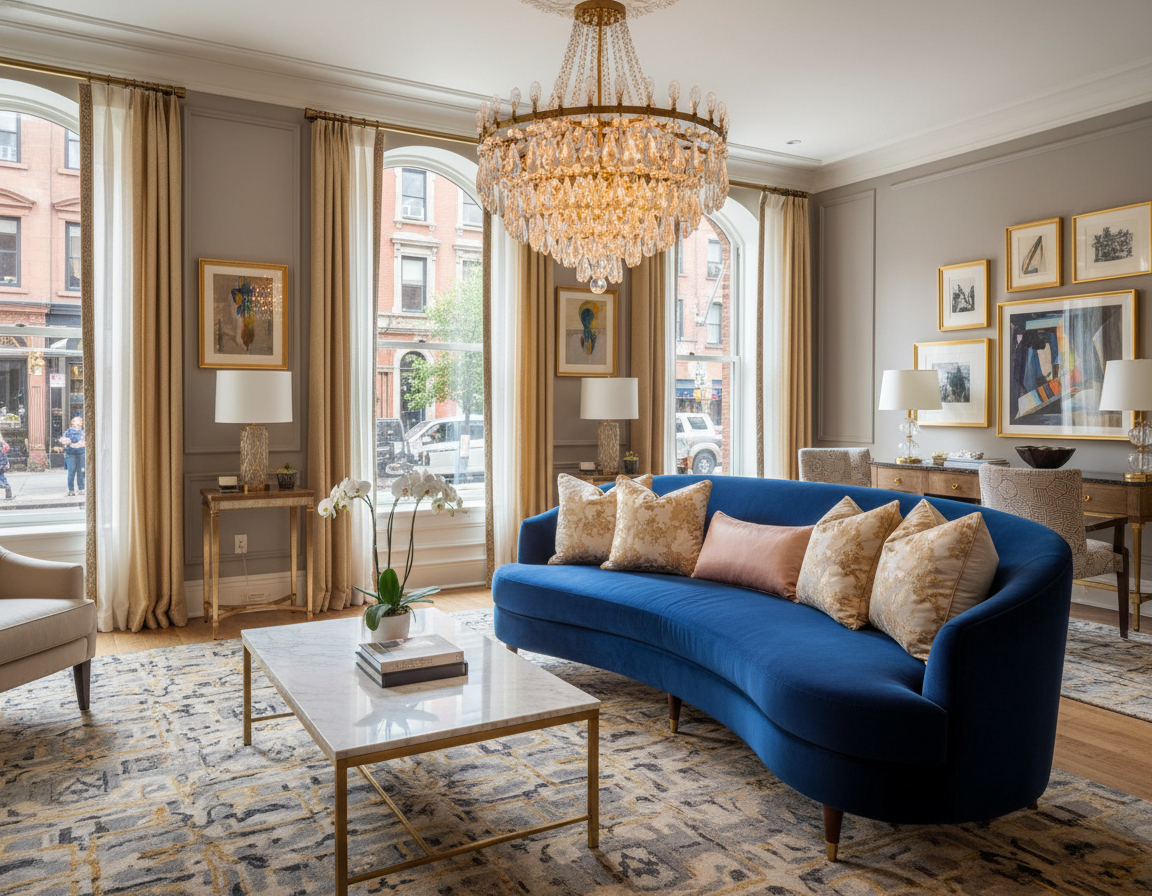
Refined luxury begins when modern design is paired with lasting craftsmanship. The most elegant interiors often feel calm because every element has been chosen with purpose. A restrained color palette allows each element within a space to breathe, contributing to the overall aesthetic.
Our studio exemplifies how this blend of elegance, modernity, and timeless beauty manifests in real-world projects. Each home we renovate feels modern without becoming overly trend-driven. A refined interior continues to feel intentional because it is built on strong design principles rather than fleeting trends.
Straightforward forms, strong proportions, and purposeful layouts help interiors feel calm and organized. Uncluttered architectural details and purposeful furniture arrangements can make even compact Brooklyn homes feel larger, calmer, and more refined. A beautiful room must also work for the people who live in it. When each element is selected carefully, even ordinary routines feel more enjoyable.
Our aesthetic is shaped by both refined global influences and the expressive energy of New York design culture. This results in interiors that feel sophisticated without feeling distant, appealing to clients with refined preferences and practical city routines. When unnecessary visual noise is removed, the best features of a home can finally stand out.
Timeless beauty in design is about making confident choices that honor a building’s architectural nature. The best updates create dialogue between old and new rather than replacing one with the other. We believe refined luxury should be experienced not just visually, but in the way a home supports daily life.
Why Work With A Brooklyn Interior Design Agency?
Choosing a Brooklyn-based studio gives homeowners access to designers who understand the realities of local architecture and city living. Local designers bring invaluable insights into the borough’s architectural diversity. From historic townhouses to contemporary apartments, they understand the nuances of each property type.
These experts navigate specific local regulations and approval processes with ease. When designers understand the approval process, they can plan with fewer surprises. Moreover, their connections allow them to source materials and artisans within the New York City metro area.
Working with local vendors can shorten timelines while keeping project investment within the community. These relationships can add uniqueness and quality to the final space. Our studio remains attuned to broader aesthetic influences while filtering them through Brooklyn’s unique cultural identity.
Designers who are physically present in the borough can conduct consistent project check-ins. A nearby designer can respond quickly to contractor questions, material issues, or site conditions. Close oversight improves quality control and reduces the chance of mistakes.
Design Konstructive has developed relationships with local professionals who understand city projects and high-quality execution. Trusted collaboration can reduce errors, improve communication, and strengthen the final result. Every phase is handled with the goal of creating a polished, lasting, and functional home.
Personalized attention is another major benefit for working with a local studio. The design process becomes a shared effort rather than a one-way service. We design for actual routines, not showroom fantasies.
Our layouts consider the real objects and habits that shape daily life. A well-designed home should support today’s needs while remaining flexible for tomorrow.
How Luxury And Affordability Can Work Together
A refined home does not require unlimited money; it requires clear priorities and skilled design judgment. Our clients want homes that feel elevated while still making practical financial sense. By combining strong materials with smart layout decisions, we can create rooms that feel polished and purposeful.
We use a clear process to make design feel elevated without allowing costs to spiral unnecessarily. The following principles help us balance quality, style, and affordability:
- This mix creates visual richness without making every item a major expense.
- We help clients decide where to invest and where to save so the budget works harder.
- Transparency helps prevent surprises and supports confident decision-making.
- Space planning plays a central function in our approach, allowing us to transform how a home functions without unnecessary demolition.
- The right lighting, proportions, and finishes can make moderate materials feel elevated.
- Our vendor network helps clients access better value and stronger product options.
- A thoughtful plan often costs less in the long run than correcting rushed or mismatched choices.
Through these strategies, we ensure that every project reflects our focus on quality while meeting the unique needs of our clients. The result is a home that feels elevated but remains livable, durable, and sensible.
How Careful Details Shape Refined Interior Design
Luxury interiors are created through the accumulation of small, thoughtful decisions. Attention to detail transforms a ordinary room into a luxurious haven. Refined interiors depend on both visible beauty and hidden craftsmanship.
How Meticulous Design Choices Impact The Final Space
Meticulous attention to detail separates beautifully finished spaces from merely adequate ones. Small choices, like the shape of a trim detail or the way paint reflects light, accumulate to create an overall impression of quality. Clients can feel this intentionality every time they enter a room.
Detailed Craftsmanship In Cabinetry And Furniture
Our studio showcases detailed craftsmanship in custom cabinetry. Good cabinetry should feel solid, operate smoothly, and look beautifully integrated. Hand-applied finishes not only look stunning but also improve the daily experience in high-use rooms.
Furniture determines not only how a room looks, but how it flows and functions. The proportion, finish, and silhouette of each piece must align with the room’s proportions and the client’s lifestyle. When furniture is chosen with intention, the room feels natural rather than forced.
Texture and material contrast add depth to refined interiors. These contrasts help the room feel tactile, dimensional, and carefully composed. A space can feel luxurious through texture, proportion, and restraint rather than decoration alone.
Art and objects are selected with the same care as furniture, lighting, and finishes. We select pieces that tell part of the homeowner’s story while maintaining a balanced and refined presentation. A refined home feels complete because every object has a reason to be there.
Well-executed craftsmanship protects the investment clients make in their homes. This saves money, reduces waste, and keeps the home looking good for longer. Long-term value is one of the strongest arguments for professional design.
Quality control is built into our process, not treated as an afterthought. Regular site visits, thorough punch lists, and prompt issue resolution ensure that the finished space meets our quality benchmarks. Our attention to detail helps transform the design from a concept into a polished finished home.
| Detail Aspect |
Effect On The Space |
| Molding Detail |
Creates a finished transition between walls and floors. |
| Paint Finish Sheen |
Affects light reflection and mood. |
| Cabinetry Alignment |
Creates visual order and prevents the space from feeling poorly executed. |
| Furniture Proportion |
Enhances comfort and movement. |
| Material Contrast |
Makes clean design feel warm, expressive, and refined. |
Smart And Efficient Interiors For Condos And City Homes
Crafting smart and efficient interiors is critical for maximizing comfort in city living. At Design Konstructive, we specialize in transforming small spaces into functional havens. In city homes, thoughtful planning can dramatically improve daily life.
City apartments often require creative solutions for storage, circulation, and multi-use living. Every square foot must serve a clear purpose to accommodate daily life demands. Instead of treating limited space as a weakness, we use it to inspire better solutions. The goal is to remove clutter, improve flow, and create a sense of ease.
Space-Saving Strategies For Urban Living
Storage is one of the most important design opportunities in compact city homes. Vertical storage allows homeowners to use height instead of sacrificing floor area. Smart storage can disappear into the architecture while still solving daily problems.
Innovative Storage And Furniture Solutions
The trend of multi-functional furniture is growing in urban interiors. These pieces allow rooms to shift between daily living, entertaining, working, and hosting guests. The best pieces support the way clients actually live in their homes.
A compact layout must be organized carefully so every area feels usable and comfortable. These techniques help make compact homes feel brighter and less confined. This kind of continuity is especially valuable in apartments with limited square footage.
We design kitchens that make cooking and daily routines easier without wasting space. We specify efficient appliance packages and design custom cabinetry that utilizes every inch of available space. Drawer inserts, pull-outs, hidden storage, and appliance garages make kitchens easier to use.
Lighting design also plays a critical function in the perception of space. Different lighting levels support cooking, working, relaxing, and entertaining. Lighting helps reveal texture, define zones, and create atmosphere.
Well-designed small spaces offer lifestyle and maintenance advantages. When storage is organized and layouts are efficient, the home takes less effort to manage. Smart design improves the overall quality of life for New Yorkers, reinforcing the idea that beauty and practicality belong together.
Clean, Straightforward Architectural Lines For Modern Spaces
A modern home is defined by its clean lines and the intentionality behind every design choice. A refined space often comes from removing what is unnecessary and strengthening what remains. Clear design choices help the home feel visually quiet and emotionally comfortable.
Luxury does not always require ornamentation; often, it depends on restraint and precision. Too much decoration can sometimes distract from the architecture and materials. A restrained room can still feel warm, expensive, and memorable when every detail is right. Strong architecture and thoughtful planning create the foundation for lasting beauty.
Why Simplicity Matters In Luxury Design
Clients often worry that clean-lined spaces might feel unwelcoming. These elements soften the architecture and make modern rooms feel livable. A clean-lined space can still feel rich, personal, and deeply comfortable.
Balancing Minimalism With Warmth
Our projects show that clean design can work in both historic and modern homes. The contrast between old and new can create a layered and sophisticated interior. Meanwhile, in new construction condos, a cohesive minimalist approach allows window lines and daylight to take center stage.
The fewer visual interruptions a room has, the larger and calmer it often feels. Uncluttered architectural lines and a restrained material palette can make rooms feel larger and brighter. This is especially valuable in the context of New York City apartments, where space is often carefully measured.
A streamlined interior can be easier to live with when details are handled intelligently. They also support a polished architectural finish. A simpler architectural language often requires less visual and physical upkeep.
Good design should continue to feel relevant long after installation day. Interiors built on clean architectural lines and quality materials remain elegant. They offer clients a home that will look and feel beautiful for years to come.
Durable, Well-Crafted Cabinetry And Furniture Systems
Durable design protects both the appearance and usability of an interior. Our goal is to create pieces that handle cooking, entertaining, working, family routines, and everyday wear.
Durability is especially important in city homes where spaces often serve multiple purposes. We specify materials and construction methods designed for both refinement and resilience.
How Quality Materials Support Long-Lasting Interiors
We choose products based on appearance, performance, and long-term value. These technical choices may be hidden, but they strongly affect daily performance. Durable finishes help preserve the investment and reduce maintenance over time.
Custom Versus Off-The-Shelf Furniture Options
Furniture decisions should be based on size, lifestyle, budget, and design goals. Custom furniture can solve problems that standard pieces cannot address. They provide a truly one-of-a-kind design that reflects your style.
Ready-made furniture can be an excellent choice when the scale, quality, and style are right. This balanced approach protects the budget while preserving the design vision.
For example, in several projects across New York, our team created custom cabinetry that fit unusual corners and challenging room shapes. These transformations turned previously unusable spaces into functional and beautiful assets.
Additionally, product designs play a crucial role in achieving a cohesive interior. Our studio often designs custom furniture and cabinetry that complements the architectural language of each home. The result is an interior that feels designed as a whole rather than assembled in parts.
Investing in quality construction and materials has lasting practical value. Durable pieces feel better, operate better, and maintain their appearance longer. A drawer that glides smoothly or a chair that supports the body properly changes how a home feels.
The unseen details are often what determine whether furniture performs well for years. From selecting hardware that operates smoothly for decades to engineering modular components that adapt as your needs evolve, our holistic approach ensures that every detail is considered.
European Refinement Meets Brooklyn Living: Our Design Philosophy
Design Konstructive blends Old World refinement with the rhythm, creativity, and practicality of Brooklyn life. We design homes that feel cultured and polished without becoming impractical.
Our studio borrows from global design traditions while reshaping them for compact, active, urban spaces. This balance gives clients a home that feels both special and comfortable.
Blending International Style With Urban Practicality
Many of our interiors are shaped by international influences such as:
- Scandinavian modernism, known for its clean lines and functional beauty.
- These traditions help add warmth and sophistication without excessive decoration.
- We adapt international ideas so they work within real urban square footage.
How To Make Studios And Apartments Feel Refined And Livable
A beautiful home should still welcome daily living, family routines, and relaxed moments. The room feels polished while still encouraging people to sit, gather, and live. This creates homes that are both refined and practical.
A compact space can become memorable through proportion, storage, lighting, and material choices. Good design can make a small apartment feel like a complete and sophisticated home.
Art, texture, and carefully chosen objects are integral to our approach. We layer these elements to add depth and personality while maintaining a clean, uncluttered aesthetic that appeals to our clients with sophisticated tastes.
Global style must be adapted to the realities of city apartments, busy routines, and limited storage. Durability is essential when elegance must also be practical. Flexible planning makes refined design compatible with real city life.
The borough itself offers a rich mix of old buildings, new ideas, and expressive communities. This blend helps our interiors feel grounded, personal, and alive.
How Client Lifestyle Shapes Every Design Project
We believe interiors should support real routines, not just look impressive in photographs. The best interiors feel natural because they are shaped around the client’s lifestyle.
Before creating solutions, we learn how the client’s current home supports or limits daily life. The more we understand the client, the better the design can serve them. By studying how a home is actually used, we can identify problems that may not appear on a wish list. Every major decision becomes more purposeful because it is connected to daily life.
Personalized Strategies For Beautiful And Functional Interiors
The information gathered during the assessment phase directly informs our design decisions. The design must respond to real behaviour. A living room can be arranged for conversation, media, family play, or flexible multi-use needs. This ensures that every element of the design serves a real and meaningful purpose.
Our firm employs various personalization strategies to create functional aesthetics. A home office can be beautiful while still supporting focus and productivity. We also incorporate pet-friendly materials for animal lovers and create dedicated zones for hobbies or fitness within the overall floor plan.
How Client Needs Shape Custom Interiors
Homes should be able to adapt as work patterns, family needs, and personal priorities change. Adaptable design is especially useful in city homes where extra rooms may be limited. A room that works today as an office may become a guest room, nursery, studio, or library later.
A space that once sat unused became one of the most valuable rooms in the home. This change allowed the homeowners to use the space every day, demonstrating how understanding a client’s lifestyle can lead to design solutions that solve real problems.
Clients remain involved, informed, and heard throughout the project. Collaboration prevents the design from feeling imposed or disconnected from the people who live there. The space becomes a reflection of their taste, routines, and aspirations.
Living in a home that has been thoughtfully tailored to one’s specific needs and tastes brings immense energy and satisfaction. That is what turns a home from simply decorated into truly designed.
Why Product Quality Matters In Affordable Luxury Interiors
Quality materials and furnishings help affordable interiors feel much more elevated. A sensible budget should still allow for thoughtful selections and lasting value. This approach helps clients achieve a luxury feel without wasteful spending.
A material does not always need to be the most expensive option to create a refined result. This can be a practical alternative when clients want elegance without the cost or maintenance of marble. Additionally, porcelain tiles can replicate the texture of handcrafted wood, offering a luxurious aesthetic without the hefty price tag.
How To Select Luxury-Looking Materials On A Practical Budget
Budget-aware design depends heavily on knowing which materials create the greatest visual impact. A thoughtful mix of premium and affordable surfaces can make the entire space feel elevated. This strategy allows clients to enjoy authentic luxury moments without overspending throughout the entire space.
Partnering With Trusted Manufacturers And Artisans
We do not rely only on appearance; we evaluate how products are made and how they will perform. A beautiful product should also be responsibly made, well constructed, and backed by dependable standards. Reliable partners help us deliver interiors that feel refined and perform well over time.
Examples of product designs that deliver exceptional quality for the cost abound. From lighting fixtures crafted by independent Brooklyn artisans to upholstery from family-owned North Carolina furniture makers, thoughtful sourcing elevates a project without inflating the budget.
Clients benefit from our industry access and knowledge of reliable sources. These advantages make high-quality design more accessible, passing savings on to our clients.
We address the misconception that affordable services lead to uninspired design. Every client receives a design approach shaped around their home, taste, and priorities. Personalization does not disappear when budgets are realistic.
Quality selection is part of responsible budgeting, not a luxury extra. Well-made furnishings and materials require fewer repairs and maintain their appearance longer. The value of good materials is experienced through both appearance and use.
| Design Product |
Design Example |
Why It Works |
| Quartz Surfaces |
Offers the look of natural stone |
Lower maintenance with refined visual appeal |
| Durable Tile Products |
Replicates handcrafted wood |
Practical for city homes and high-use areas |
| Artisan Lighting |
Made by independent makers |
Creates a distinctive focal point |
| Fabric Furniture Pieces |
Produced by skilled furniture makers |
Quality craftsmanship and comfort |
Wide Range Of Services Offered By Our Brooklyn Design Firm
We support clients through many types of projects, from focused updates to major remodels. Our service range allows clients to work with one team across multiple design needs.
Transforming Kitchens And Entire Homes
A kitchen must be beautiful, but it also needs to support cooking, gathering, cleaning, and storage. The kitchen often sets the tone for the entire residence.
Design Support For New Construction And Renovations
Full remodels allow us to rethink how the entire home functions and feels. We guide clients through decisions that affect flow, style, budget, and construction. This ensures a seamless and stress-free experience for our clients.
We also have extensive experience with new construction projects. Working early with the project team helps align architecture, interiors, lighting, and materials. This involvement allows us to influence room layouts, window placements, and material specifications, ensuring the finished home reflects the client’s vision.
Brooklyn homes often come with history, character, and construction challenges that require sensitivity. We address the unique challenges of updating classic Brooklyn homes while respecting their original character. These approval processes can be complicated, but experience helps keep the project moving.
A long-term relationship with one design studio can make future projects more efficient and cohesive. Consistency helps the home feel connected rather than pieced together.
Additionally, we offer specialized services such as art consultation, custom furniture design, and outdoor space planning. These services reinforce our capability to handle every aspect of residential design in New York.
| Service Type |
What It Includes |
| Kitchen Redesign |
Creating kitchens that feel efficient, durable, and elegant. |
| Whole Home Renovation |
Aligning multiple rooms under one clear design vision. |
| Interior Design For New Homes |
Integrating interior design early in the build process. |
| Property Updates |
Updating historic properties while honoring existing charm. |
| Custom Design Support |
Art consultation and outdoor space planning. |
Working With Skilled Designers To Realize Your Vision
Collaboration is central to how we create interiors that feel personal and successful. Our designers bring knowledge from multiple creative and technical disciplines. This variety strengthens the solutions we bring to each client’s home.
Collaboration is key to our process. From the initial concept presentations, where ideas are explored and adjusted, to the final installation phase, we engage in open dialogue with our clients. This ensures that every piece of visual detail and functional element is placed with intention, allowing the client to feel heard and involved at every step.
Integrating Art, Texture, And Function Into Spaces
Our creative approach emphasizes the integration of art into interior spaces. The pieces we choose support the client’s identity as well as the room’s composition. A room becomes more memorable when it includes pieces that feel connected to the people who live there.
A tactile mix of materials makes a room feel more human and engaging. Our designers layer different materials—soft fabric, polished stone, warm wood, and textured upholstery—to engage the senses. A layered interior invites touch, movement, and closer attention.
Each design choice is reviewed for both appearance and practical value. We consider how materials will wear, how layouts will flow, and how furniture will be used. For instance, we consider the durability of upholstery fabrics in homes with children and pets, as well as the ergonomics of kitchen layouts for clients who love to cook and entertain.
When clients share their passions and routines, the design becomes more original and useful. In one instance, we created a custom-built display wall for a collector’s vintage objects. A compact work area was integrated so it could support productivity without visually dominating the home. Collaboration turns challenges into personalized design opportunities.
With years of collective experience, our design team brings a depth of knowledge to every project. Our role is to make the journey more enjoyable while protecting the quality of the final result.
| Interior Element |
Why It Matters |
| Art Placement |
Creates focal points that reflect the client’s taste. |
| Material Layering |
Adds subtle luxury without visual clutter. |
| Practical Function |
Supports long-term satisfaction with the space. |
| Client Partnership |
Keeps decisions aligned with client goals. |
| Experience |
Supports a more confident design process. |
Improving Function And Beauty In City Living Spaces
Urban homes must be efficient, beautiful, and adaptable all at once. At Design Konstructive, we excel at maximizing both functionality and aesthetic appeal in urban homes. Every design choice must earn its place in a small home.
This is especially useful in studios and open-plan apartments. Glass allows separation while preserving brightness and sightlines. This simple choice can make a compact room feel more airy and spacious.
A consistent palette prevents compact rooms from feeling fragmented. This visual flow supports both elegance and comfort.
Using Accents And Materials To Create Dynamic Interiors
A few strong accents can give a room personality without overwhelming it. A single bold element—a sculptural light fixture, a textured accent wall, or a striking piece of art—can serve as a focal point. The best small-space accents add character without stealing usable space.
The choice of materials also enhances the perception of space. Reflective surfaces like polished stone, lacquered cabinetry, and mirrored accents can bounce light around a room, making it feel larger. The balance between reflective and tactile materials helps shape the mood of each zone.
Strong planning can completely change how a compact apartment functions. Layout changes, integrated storage, and adaptable furnishings work together to improve daily life.
Smart Storage For Compact Urban Living
Storage is a common challenge in small city homes. Instead of adding bulky furniture, we design storage as part of the home itself. Storage becomes part of the design rather than a visual burden.
Good lighting can make a compact apartment feel larger, warmer, and more flexible. A layered lighting plan supports different activities and moods throughout the day. This approach creates depth, highlights architectural features, and makes rooms feel open and inviting, even when square footage is limited.
Urban homes must support fast routines, limited entry space, compact entertaining, and multi-use rooms. A smart entryway can reduce clutter and make daily departures easier. These solutions reflect the way New Yorkers actually live, gather, and adapt.
| Urban Design Strategy |
How It Works |
| Glass Dividers |
Define areas while preserving brightness and openness. |
| Lightweight Furniture Profiles |
Makes compact rooms feel less visually heavy. |
| Unified Color Scheme |
Helps compact spaces feel calmer and more connected. |
| Statement Features |
Creates focal points and strong identities. |
| Seamless Storage Systems |
Improves daily function while preserving a clean look. |
Conclusion: Transform Your Brooklyn Home With Our Expert Interior Design Services
Transforming your living space can create a profound sense of belonging. Our studio helps clients create homes that feel elevated without ignoring real budgets. Every project is shaped around the people who will live there.
Throughout this article, we’ve explored how our studio stands out in New York City. With a focus on European refinement and local expertise, we prioritize our clients’ lifestyles and needs. From materials to layout to final styling, each decision is made with the client in mind.
If your space no longer fits how you live, a thoughtful design process can help you reimagine it. It gives us a chance to understand your priorities and recommend a practical path forward. This conversation marks the beginning of an exciting design journey.
A well-designed home can improve routines, reduce frustration, and make everyday moments feel more enjoyable. One of our clients shared how their transformed home became a gathering place for friends and family, showcasing their personal style.
Visit us at designkonst.org to view our portfolio and schedule a consultation. With the right design approach, your Brooklyn home can become more beautiful, more functional, and more connected to the way you live.
Related: Best Interior Designer Company in Brooklyn

 Wolf Appliance Repair Bel Air